
If you are sourcing materials for funiture, mattress, sofa, automotive materials, shoe materials, medical, agricultural, packaging, or hygiene products, you have likely come across the term non-woven fabric. But what exactly is it? How is it different from traditional textiles? And which type is right for your application?
In this guide, we break down the definition, common classifications, and key manufacturing processes of non-woven fabric — in plain language for industrial buyers.
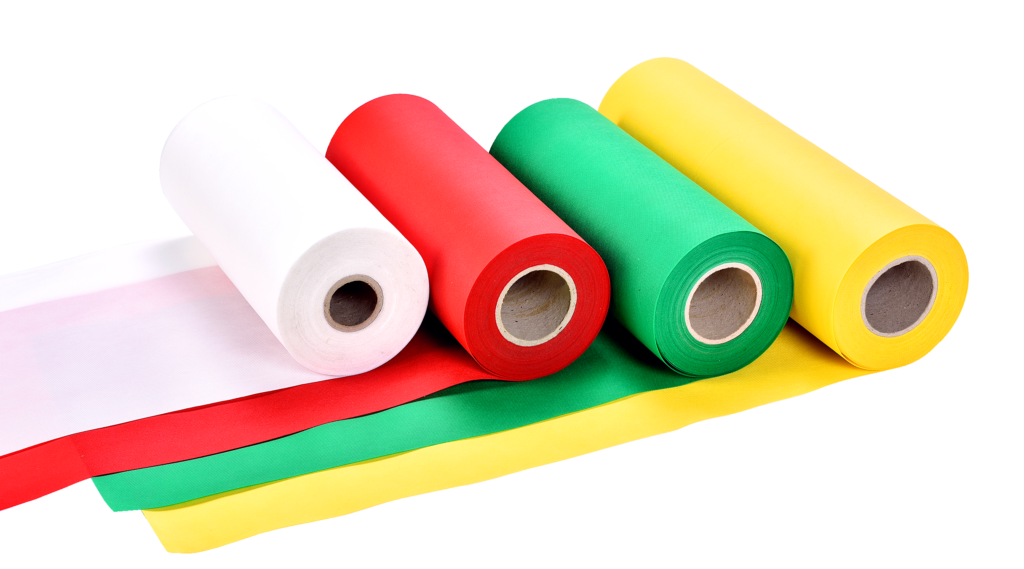
1. What Is Non-Woven Fabric? A Clear Definition
Non-woven fabric is a engineered sheet or web structure of fibers or filaments (or perforated films) bonded together by:Mechanical means (needling, hydroentanglement)/ Thermal bonding/ Chemical bonding.
Key distinction: Unlike woven or knitted fabrics, non-wovens are not made by weaving or knitting. No yarn preparation is required.
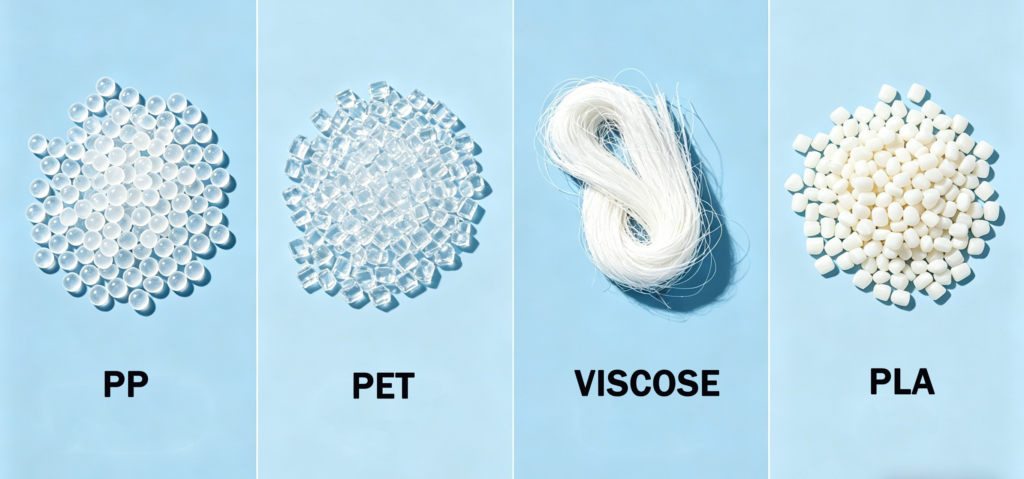
Common raw materials:Polypropylene (PP) / Polyethylene (PET) / Viscose / Rayon / PLA (biodegradable)
Key characteristics:
1.Lightweight and breathable
2.Cost-effective for disposable or limited-life products
3.Can be engineered for strength, softness, absorbency, or barrier properties
2. Why Choose Non-Woven Fabric? (Advantages)
| Property | Benefit for Buyers |
|---|---|
| Design flexibility | Wide range of weight (10–200+ gsm), thickness, and surface texture |
| Shorter production cycle | From fiber to fabric in one continuous line |
| Customizable | Can add anti-static, flame-retardant, or hydrophilic treatment |
| Recyclable options | PP non-wovens can be reused or recycled |
3. Main Types of Non-Woven Fabric (Based on Bonding Process)
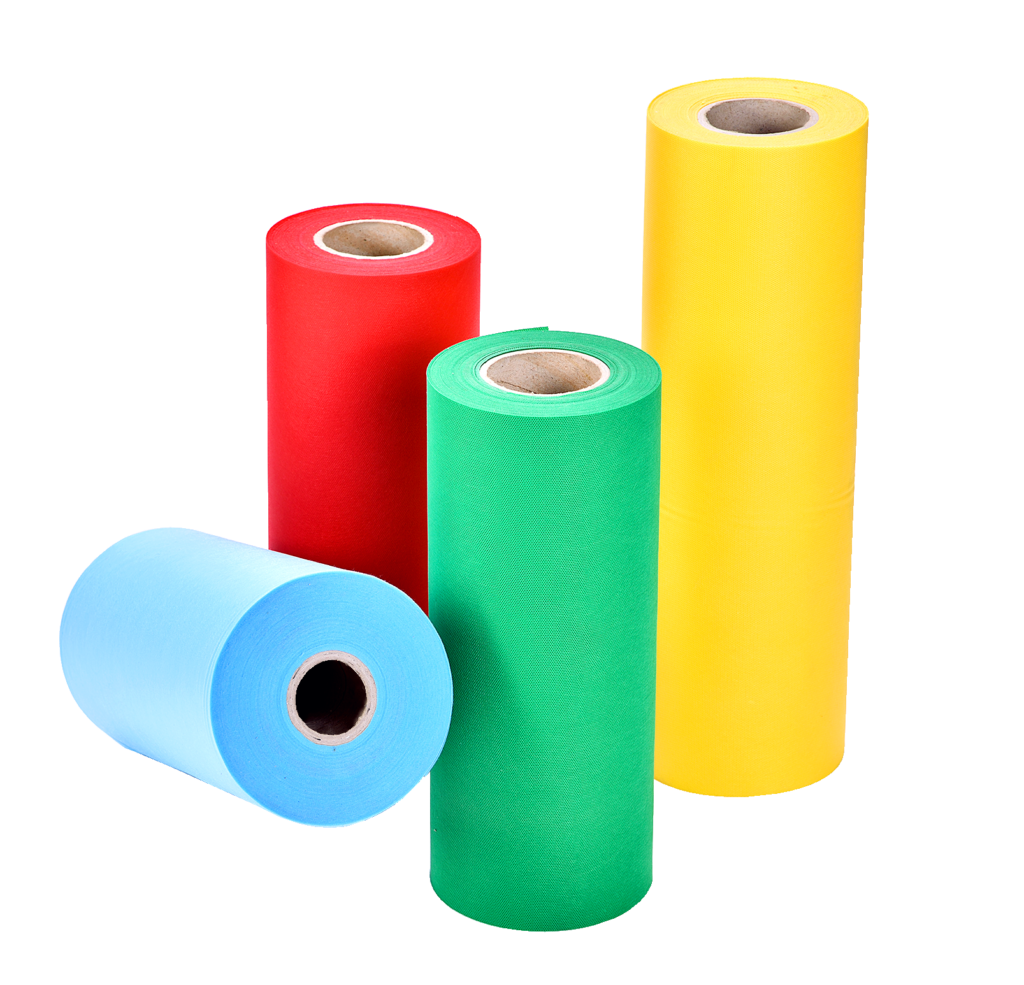
1.Spunbond Non-Woven Fabric
- Process: Extrude continuous filaments, lay them into a web, then thermally bond.
- Features: High strength, uniform appearance, good tear resistance.
- Common uses: Medical masks, surgical gowns, shopping bags, agricultural ground covers.
2. Meltblown Non-Woven Fabric
- Process: Blow molten polymer through fine dies to form microfibers.
- Features: Extremely fine fiber diameter (2–5 µm), excellent filtration efficiency.
- Common uses: N95 mask filter layers, oil absorbent pads, wipes.
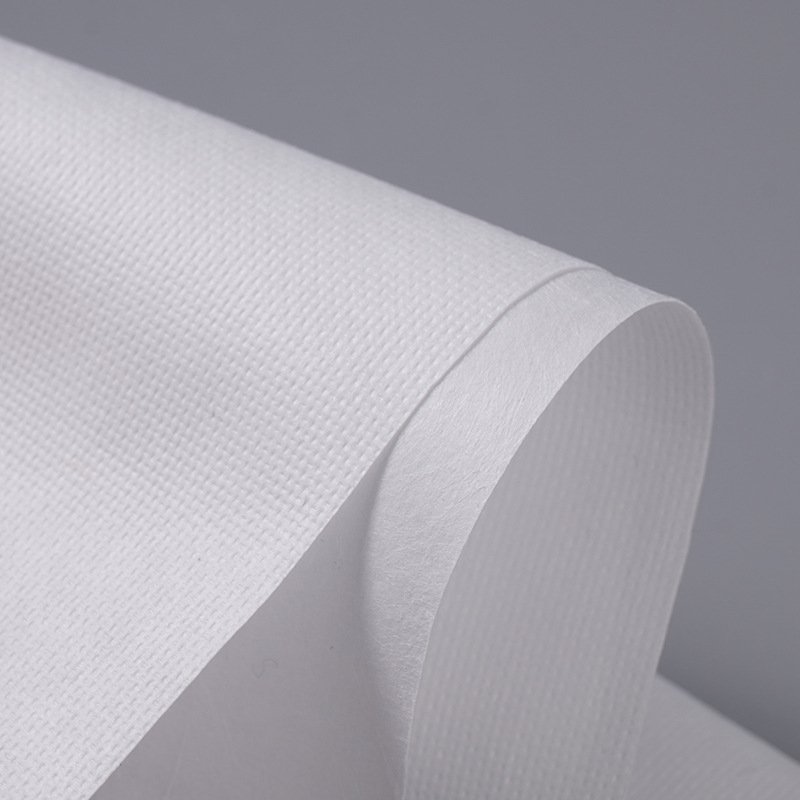
3.Spunlace (Hydroentangled) Non-Woven Fabric
- Process: Entangle fibers using high-pressure water jets.
- Features: Soft, drapable, lint-free, no binders.
- Common uses: Wet wipes, facial masks, medical drapes.
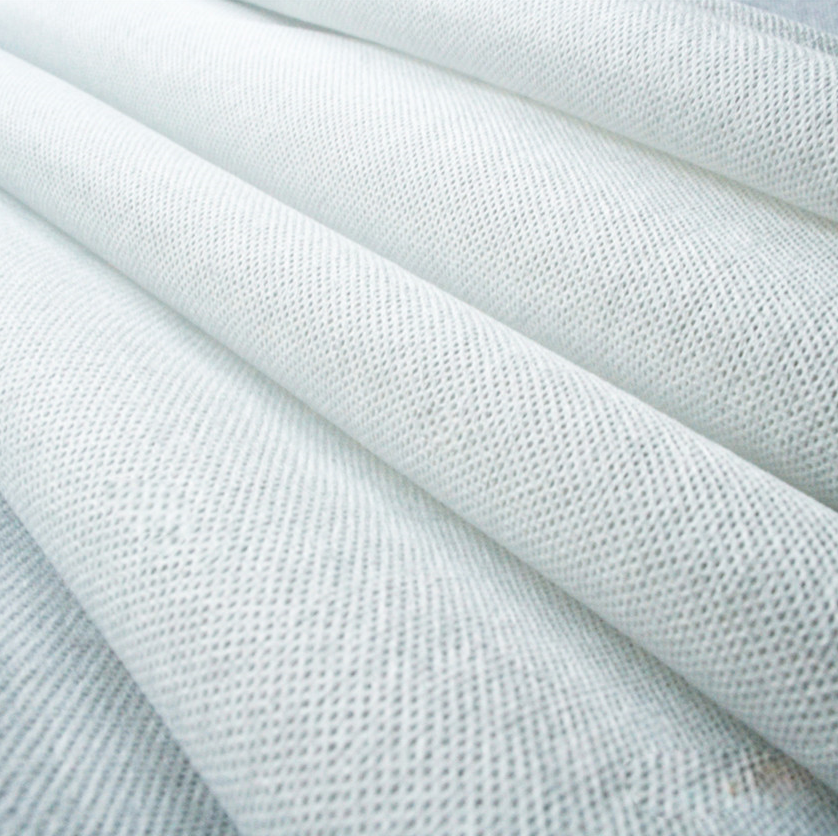
4.Needle Punched Non-Woven Fabric
- Process: Mechanically interlock fibers using barbed needles.
- Features: High thickness, good mechanical strength.
- Common uses: Geotextiles, automotive carpets, mattress padding.
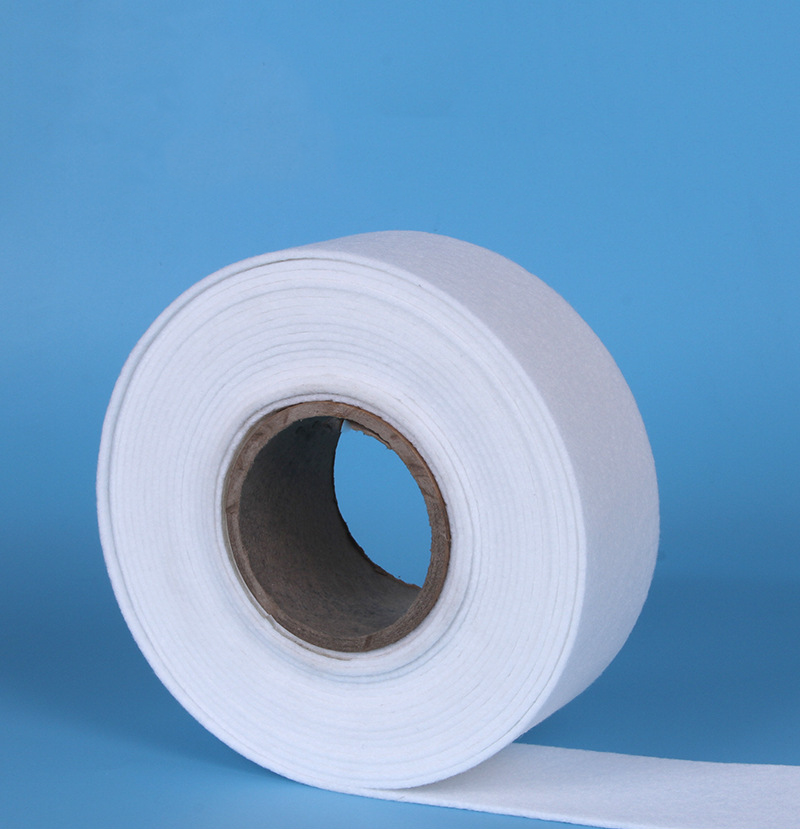
Quick Comparison Table
| Type | Strength | Softness | Filtration | Cost Level | Typical GSM Range |
|---|---|---|---|---|---|
| Spunbond | High | Medium | Low | Low | 10–250 |
| Meltblown | Low | Low | Very High | Medium-high | 15–100 |
| Spunlace | Medium | High | Medium | Medium | 30–120 |
| Needle Punched | Very High | Low | Low | Low-medium | 100–800 |
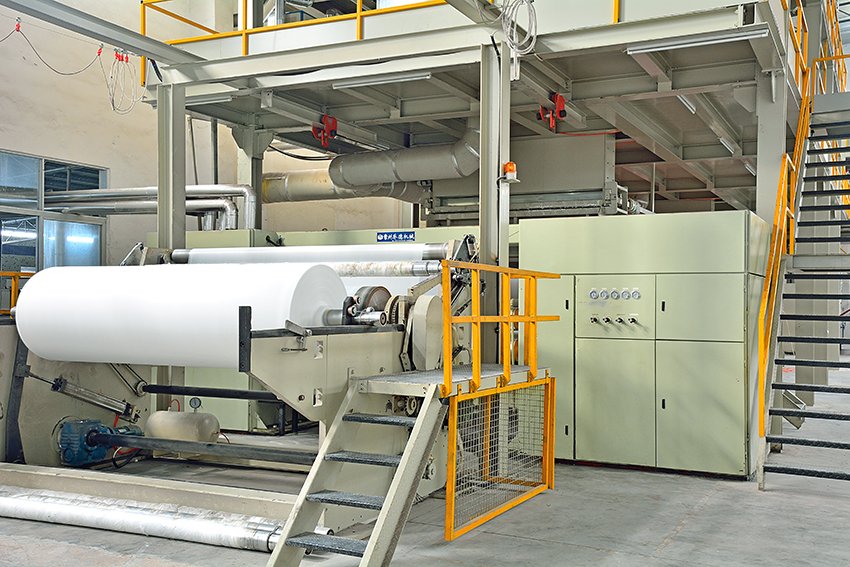
4. How Is Non-Woven Fabric Made? (General Production Workflow)
Although specific processes differ, most non-woven production follows four basic steps:
Step 1 – Fiber or Polymer Preparation
- For staple fibers: open and blend (viscose, polyester, etc.)
- For spunbond/meltblown: melt polymer pellets
Step 2 – Web Formation
- Dry laid (carding) – for staple fibers
- Wet laid – similar to papermaking
- Spunlaid – direct from polymer melt (most common for PP)
Step 3 – Bonding
- Mechanical, thermal, or chemical (as described in Section 3)
Step 4 – Finishing
- Calendering (smoothing)
- Printing, anti-static treatment, antimicrobial coating, etc.
- Slitting to desired width and winding
5.Conclusion
Non-woven fabric is a versatile, engineered material that sits between paper, textile, and film. By understanding the basic types (spunbond, meltblown, spunlace, etc.) and their bonding methods, you can make better sourcing decisions for your product.
At Takewind Nonwoven Technology Co.,Ltd , we produce high-quality PP spunbond non-woven fabric,spunlace non-woven fabric and needle punched non-woven fabric for furniture, atomotive, shoe, medical, agricultural, and packaging applications. We support custom GSM, width (up to 3.2m), and colors.
Need samples or a technical data sheet?
👉 [Contact us today] or request a quote directly.