
In this article, we analyze the specific demand for nonwoven materials in Agriculture, Garden & Landscaping, and Road Infrastructure across the MENA region.
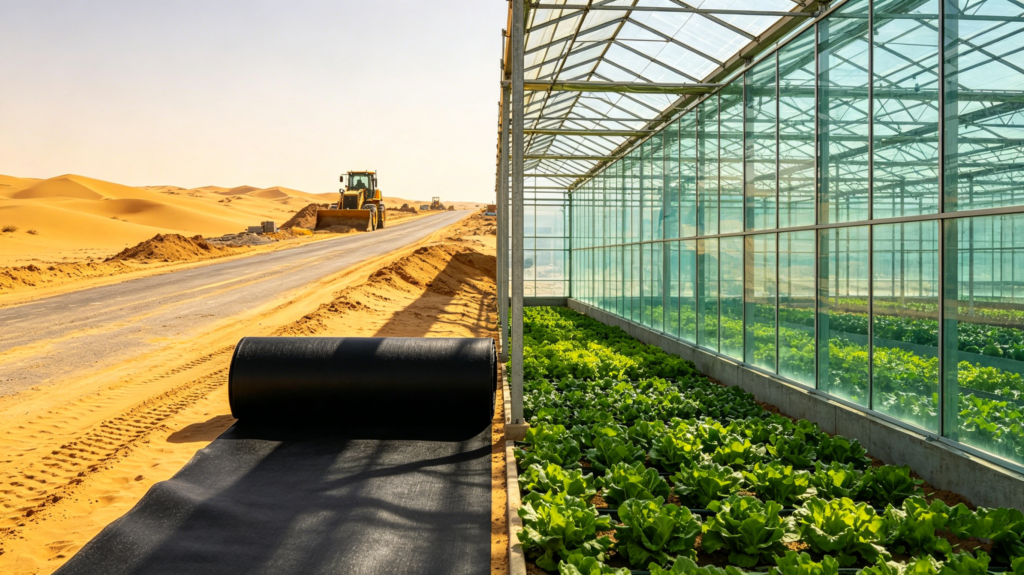
As a leading Chinese nonwoven fabric manufacturer, we have been closely monitoring the shifting dynamics of the global market. While traditional markets remain steady, one region is showing explosive potential for agricultural and industrial applications: The Middle East.
Driven by visionary economic blueprints like Saudi Arabia’s Vision 2030 and the UAE’s food security initiatives, the Middle East is investing billions into becoming self-sufficient and sustainable. For manufacturers of PP spunbond nonwoven fabrics, this presents a golden opportunity.
1. Agriculture & Gardening: Growing Green in the Desert
Water scarcity and high temperatures make farming in the Middle East incredibly challenging. Governments are shifting from water-intensive traditional farming to high-tech solutions like hydroponics and protected cultivation . This is where our nonwoven fabrics play a crucial role.
1.1 Crop Protection & Thermal Screens
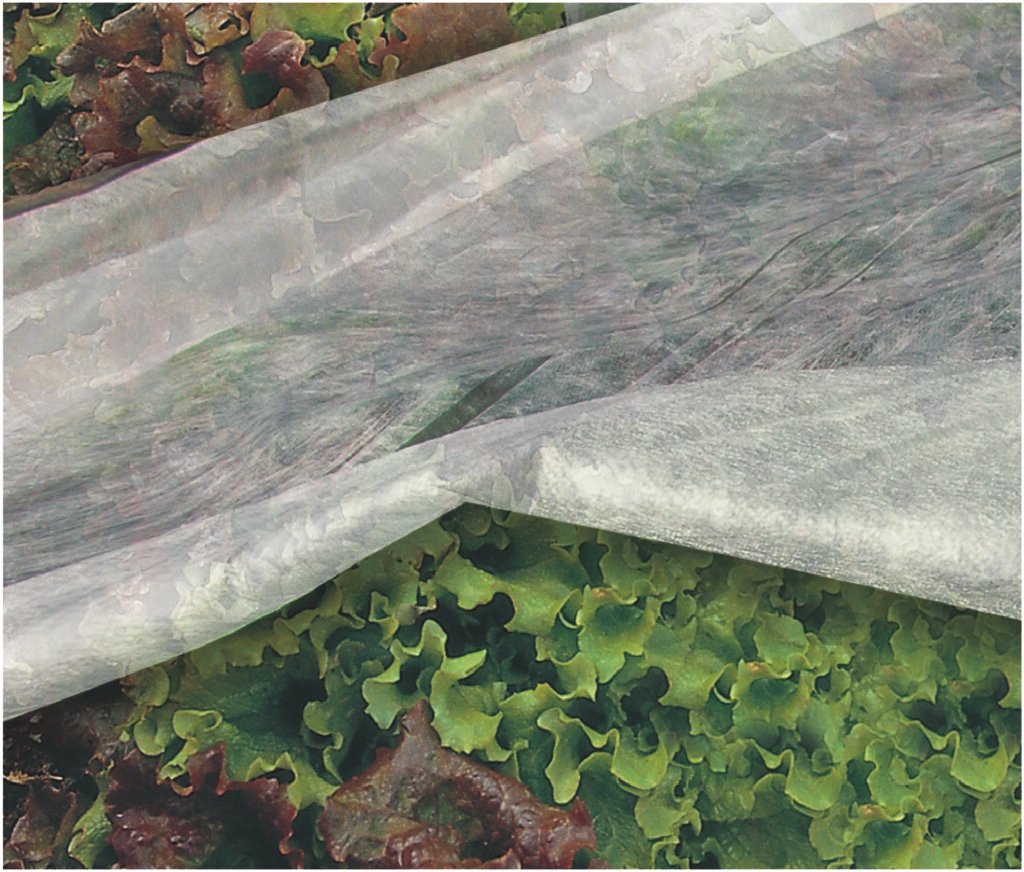
In a region where sudden temperature spikes or sandstorms can wipe out seedlings, lightweight nonwovens (17-30 gsm) act as the first line of defense. Whether it is the vast farms of Egypt or the high-tech greenhouses of Qatar, PP spunbond crop covers are used to:
- Regulate Temperature: Keeping soil warm at night and preventing scorching during the day.
- Wind Protection: Acting as a windbreak to prevent sand abrasion on young leaves.
- Humidity Control: Maintaining a micro-climate to reduce irrigation frequency .
1.2 Weed Control & Landscaping
From luxury villas in Dubai to newly constructed parks in Riyadh, landscape maintenance often requires a significant investment of effort. Black, 100% virgin PP spunbond non-woven fabric—ranging from 45 to 70 grams in weight—has been widely adopted as an effective weed barrier.
Unlike conventional black plastic, which can degrade soil structure, our non-woven fabric is both breathable and water-permeable. It allows rainwater and fertilizers to readily penetrate to the plant roots while simultaneously blocking ultraviolet rays, thereby effectively inhibiting weed germination.
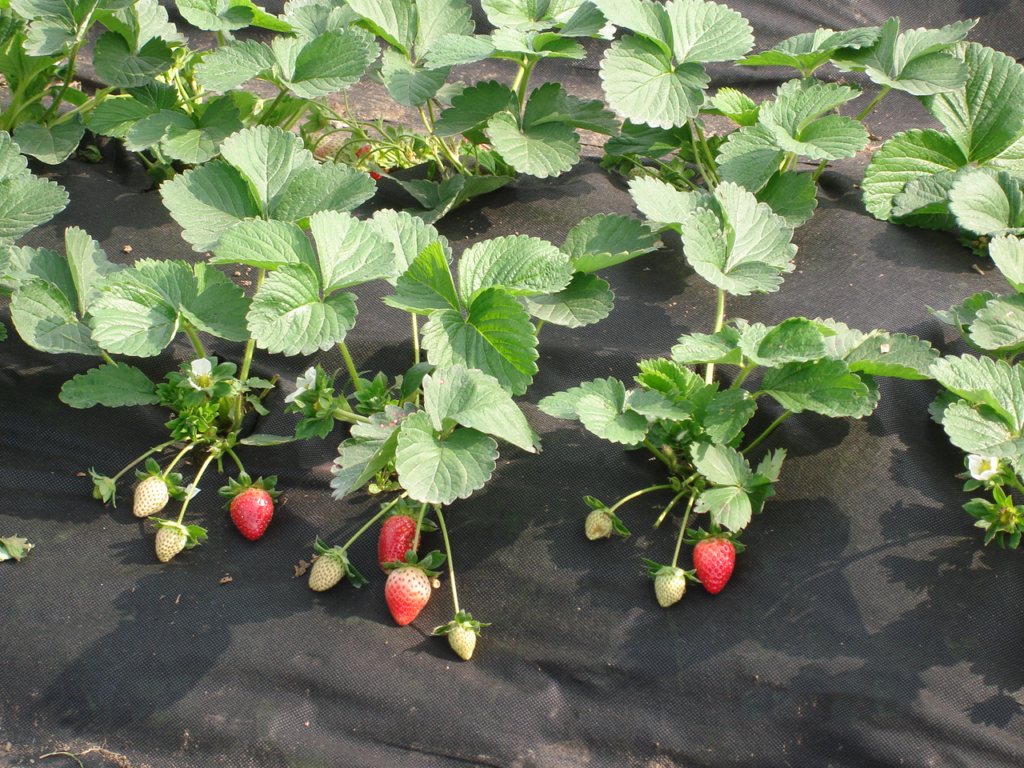
Our Recommendation for Agri/Garden: 50-120 gsm UV-stabilized black or green spunbond fabric. We add UV additives specifically proven to withstand Middle Eastern solar radiation, ensuring the fabric lasts more than 2 years outdoors.
2. Road & Civil Infrastructure: Building the Vision
The Middle East is currently the world’s largest construction site. From the NEOM linear city in Saudi Arabia to the expansion of Sharjah Airport, massive civil engineering projects require materials that can handle extreme loads and harsh sodium-rich soil .
2.1 Soil Stabilization & Separation
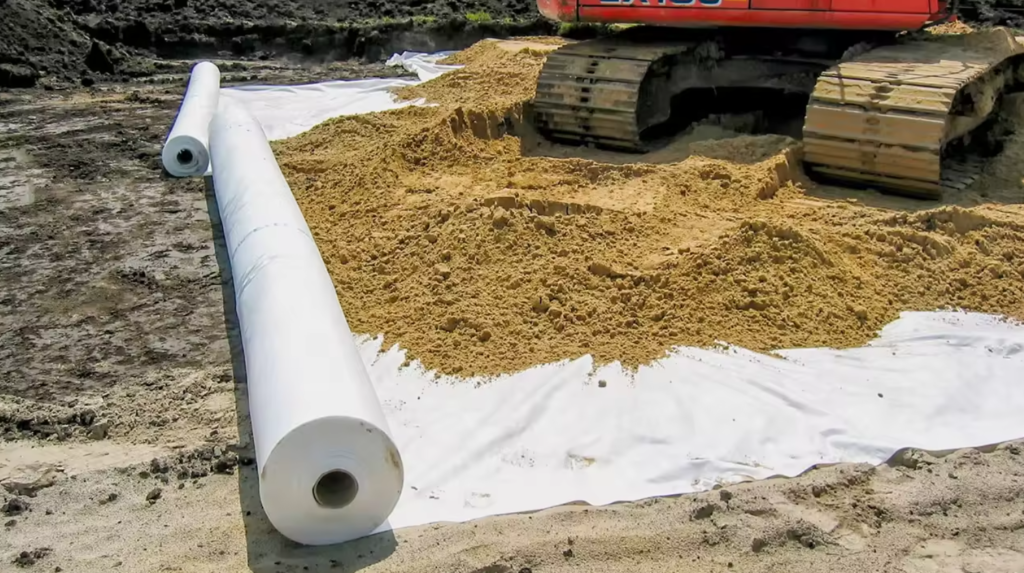
In desert environments, the subgrade is often sand or sabkha (salt-crusted sand), which is highly unstable. For road and railway construction, Nonwoven Geotextiles (Needle-punched) are placed between the sand subgrade and the gravel base.
- Function: The fabric separates the layers, preventing the gravel from sinking into the sand.
- Result: Reduces the thickness of gravel needed by up to 40%, saving millions of dollars per kilometer of road .
2.2 Filtration & Drainage
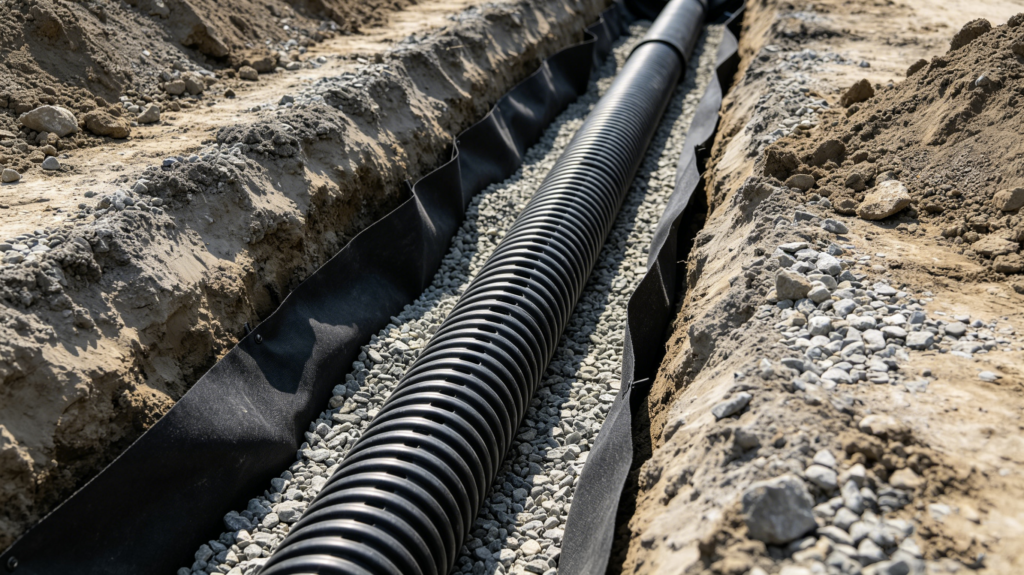
Heavy rains (flash floods) are a growing concern in the region. Nonwoven fabrics act as filters in drainage trenches. They allow water to pass through while preventing soil particles from clogging the drainage pipes. This is critical for the longevity of highways and airport runways .
2.3 Erosion Control Mats (Vegetated Slopes)
For “green” or vegetated slopes, lightweight spunbond nonwovens are used as erosion control blankets. These fabrics stabilize the topsoil immediately after installation, preventing seed washout during flash floods. As the fabric holds the soil in place, native vegetation roots penetrate the fabric, creating a long-term bio-engineered stabilization layer .
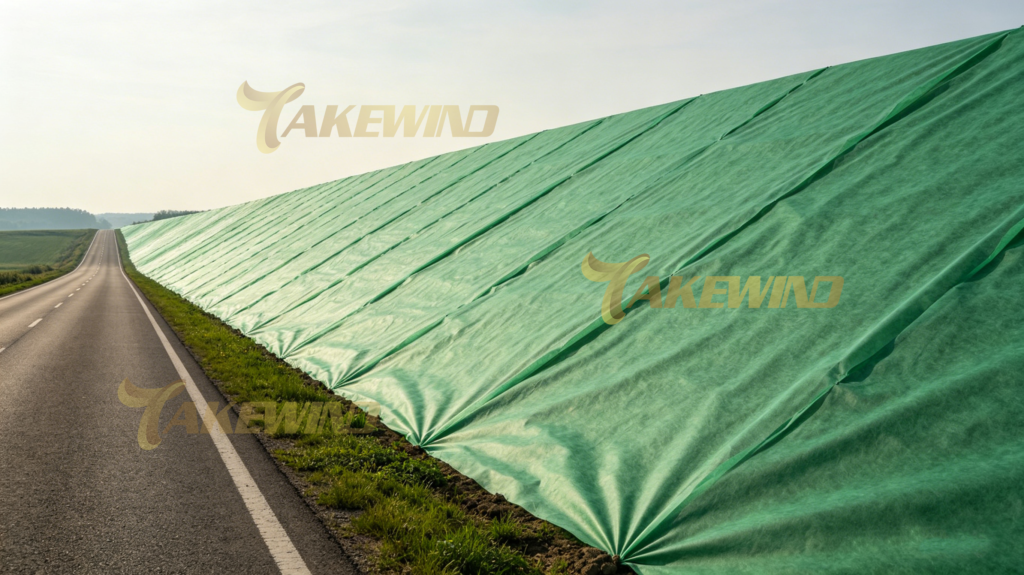
Our Recommendation for Infrastructure: 15-50gsm PP spunbong nonwoven fabric for Erosion Control Mats (Vegetated Slopes); 200-600 gsm staple fiber needle-punched nonwoven geotextile for Soil Stabilization & Separation . We prioritize high CBR puncture resistance and elongation at break to match international ASTM standards.
3. Why Choose Our Nonwoven Fabrics?
- Experienced in Middle East exports, familiar with local climate and project specs
- Customizable UV and anti-aging treatment
- Width up to 3.2 meters, jumbo rolls to save shipping and installation cost
- OEM packaging & labeling supported
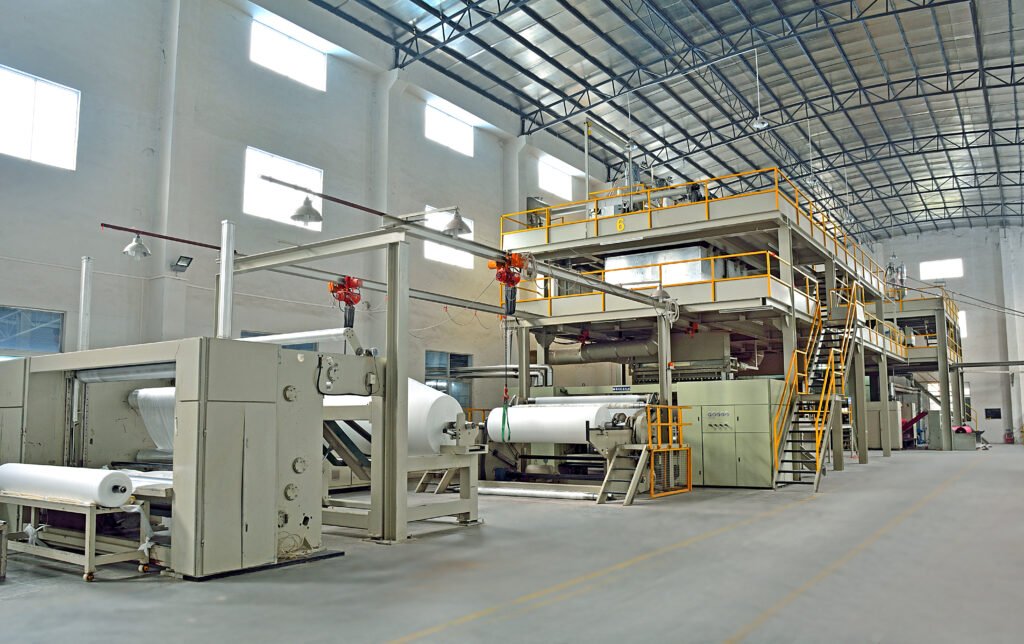
At Guangdong Takewind Nonwoven Technology Co.,Ltd.(www.gd-nonwoven.com) , we have extensive experience exporting rolls of PP spunbond and needle-punched nonwoven to the MENA region(Including Saudi Arabia, Kuwait, the UAE, Qatar, Bahrain, Yemen, Syria, and Egypt.). We understand the necessary UV stabilization levels, the preferred roll core sizes, and the shipping logistics required for the Jebel Ali port.
Ready to supply the growing Middle Eastern market?
Contact us today to get a quote for our agricultural and geotextile grades, or send us your specifications for a free sample.