
As a China nonwoven fabric factory, we often receive inquiries about PP spunbond nonwoven used in car acoustic insulation (automotive soundproofing cotton).Automotive interior materials must meet strict global standards. Below we explain the 7 key requirements for PP nonwoven in this application.
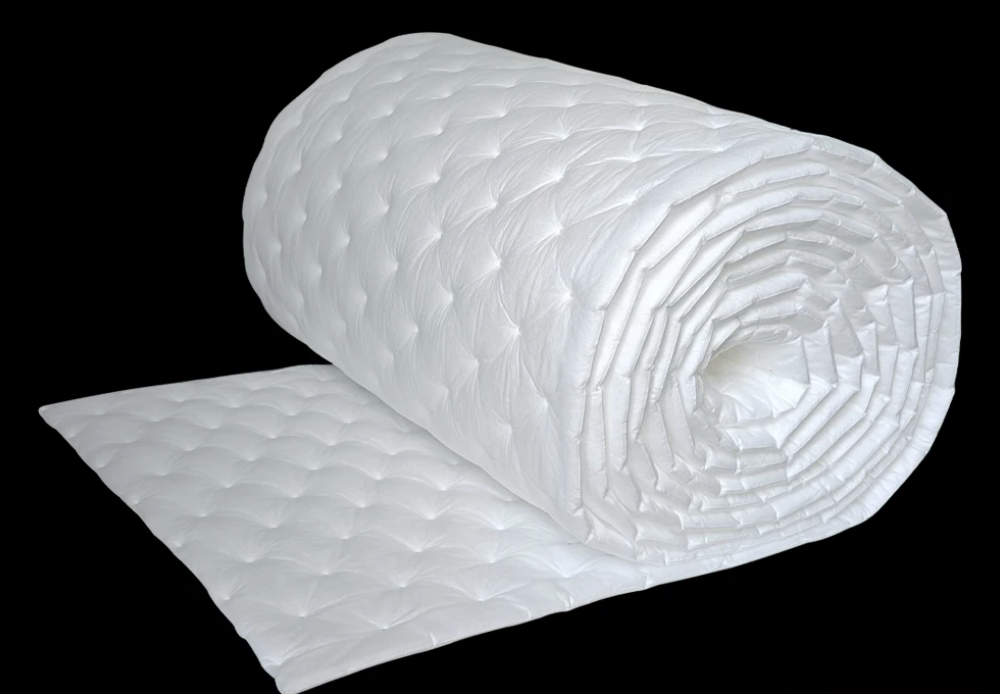
1. Flame Retardant Requirement
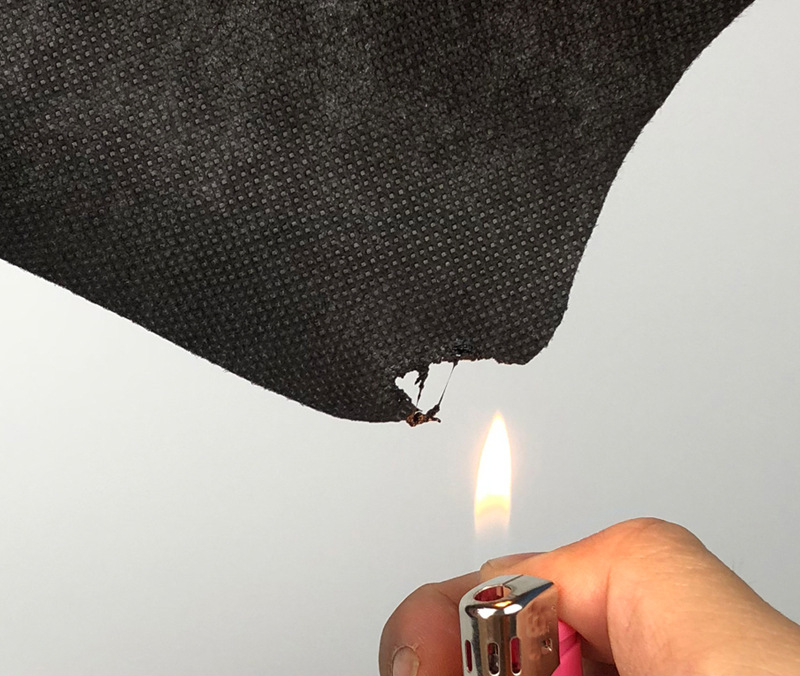
Automotive interior materials must resist fire propagation. For PP spunbond nonwoven used in soundproofing cotton, the typical standard is FMVSS 302 (US Federal Motor Vehicle Safety Standard) or GB 8410 (Chinese equivalent).
- Requirement : Burning rate ≤ 100 mm/min, normally self-extinguishing.
- How to achieve : Add halogen-free flame retardant masterbatch during extrusion.
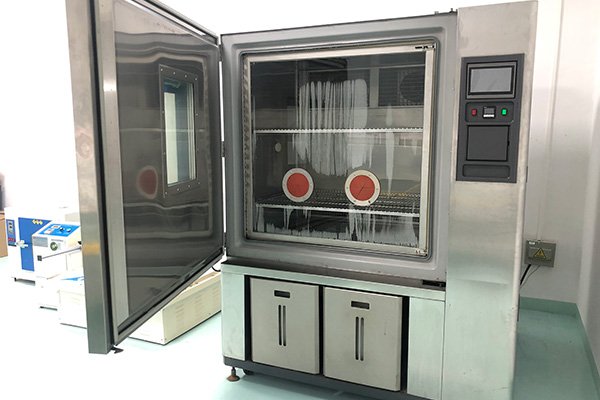
2. Heat Aging Resistance Requirement
Engine compartment and near-engine areas can reach high temperatures over long periods. PP nonwoven must resist thermal oxidation degradation.
- Common standard : SAE J1351 or OEM-specific (e.g., VW TL 52456, GM GMW 14444).
- Test condition : 120°C – 150°C for 7 – 14 days.
- Key indicator : Tensile strength retention ≥ 70 – 80% after aging.
3. Odor Requirement
Car cabins are enclosed spaces. Odor from nonwoven materials directly affects passenger comfort. This is often the hardest requirement for nonwoven factories to meet.
- Standard : VDA 270 (German automotive standard) or PV 3900 (Volkswagen).
- Grade : Typically require ≤ Grade 3 (perceptible but not disturbing) or better ≤ Grade 2 (weak but detectable).
- Key point : Use high-purity PP resin + controlled processing temperature (avoid degradation) + post-treatment ventilation.

4. PH Value Requirement
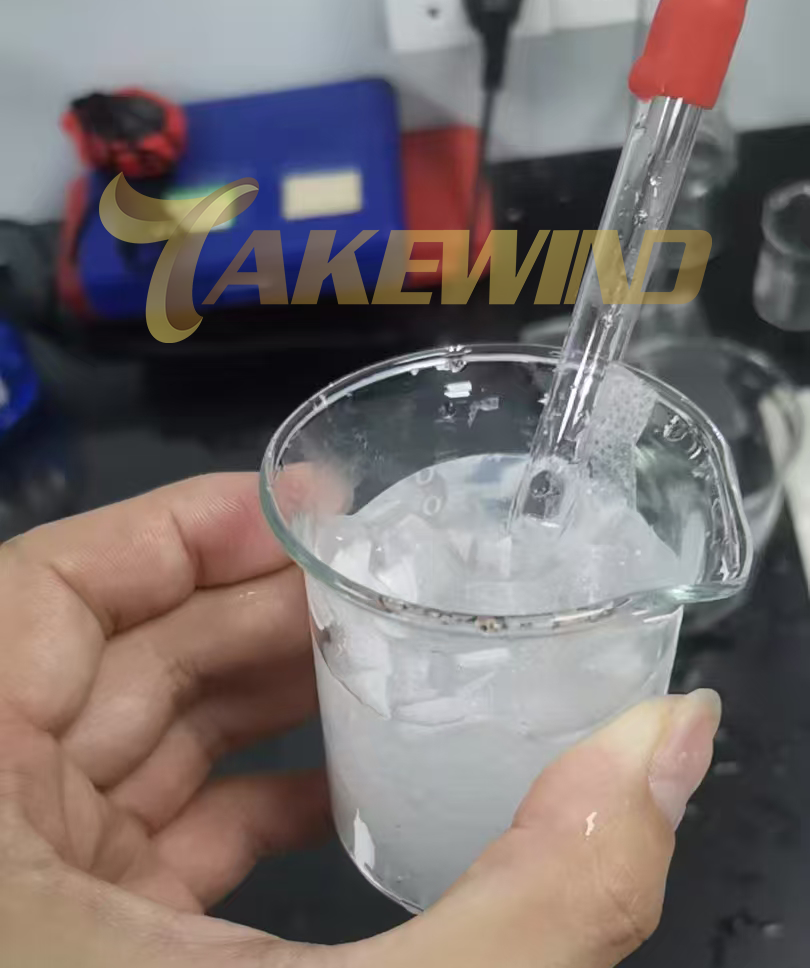
pH value of nonwoven fabric affects corrosion potential on metal parts (e.g., car body panels or wiring). It also indicates residual chemicals.
- Common range : pH 5.5 – 7.5 (weakly acidic to neutral).
- Test method : ISO 3071 (Textiles – Determination of pH of aqueous extract). ISO 3071(
- Why important : High alkalinity (>8) may cause corrosion; high acidity (<4) may degrade other components.
5. Fogging Requirement
In enclosed car cabins, volatile substances from nonwoven materials may condense on windows or instrument panels, creating a foggy film that impairs visibility. PP spunbond nonwoven must have low fogging tendency.
- Standard : DIN 75201 (German automotive standard) or ISO 6452. DIN 75201
- Test method : Gravimetric method (weight of condensate) or reflectometric method (light reflection change).
- Requirement : Condensate weight ≤ 2 mg (typically ≤ 1 mg) or reflectance retention ≥ 90%.
6. Formaldehyde Requirement
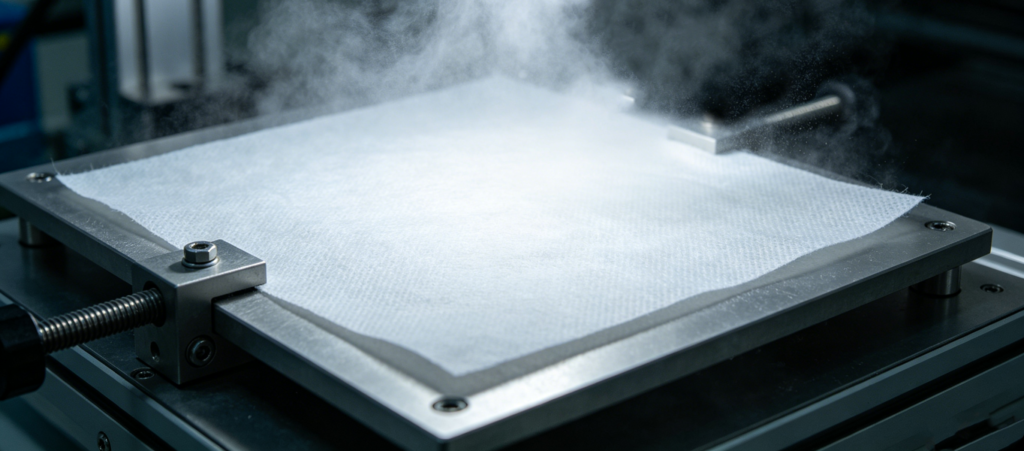
Formaldehyde is a known irritant and potential carcinogen. Automotive interior materials must have extremely low or undetectable formaldehyde emissions to protect passenger health.
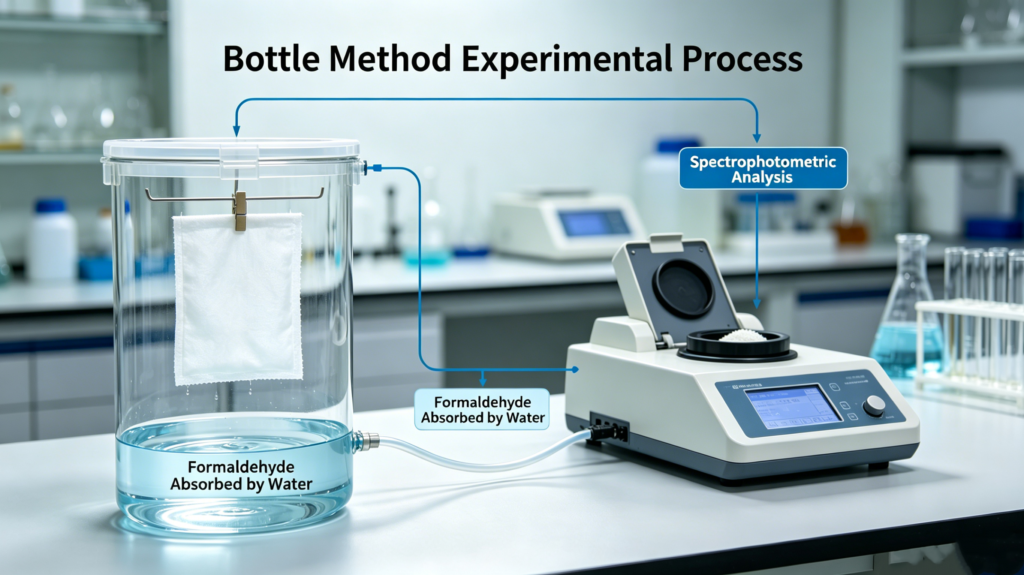
- Standard : VDA 275 (German automotive standard) or GB/T 2912.1 (Chinese standard). VDA 275(
- Test method : Flask method – samples are suspended in a sealed container with water, which absorbs formaldehyde, then analyzed photometrically.
- Requirement : Formaldehyde content ≤ 10 ppm (often OEM requires ≤ 5 ppm or “not detectable”)
7. VOCs Requirement
Volatile Organic Compounds (VOCs) such as benzene, toluene, ethylbenzene, xylene (BTEX), and TVOC (Total Volatile Organic Compounds) can cause odor, headaches, and long-term health issues. Automotive OEMs strictly limit individual VOCs and total emissions.
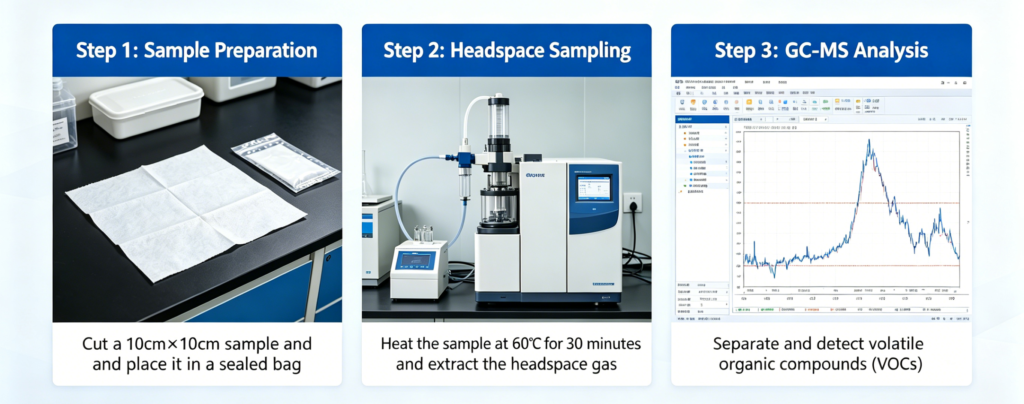
- Standard : VDA 278 (Thermal desorption analysis for VOCs and FOGs) or ISO 12219-4 (Bag method for interior materials).
- Test method : Sample is heated (e.g., 90°C or 120°C), emitted VOCs are collected on a trap or in a bag, then analyzed by GC-MS (gas chromatography-mass spectrometry).
- Requirement :
- Benzene : ≤ 0.01 mg/m³ (typical)
- Toluene : ≤ 0.1 mg/m³
- TVOC: ≤ 10 mg/m³ (or stricter ≤ 5 mg/m³ for premium OEMs)
Why Choose Takewind PP Spunbond Nonwoven for Automotive Acoustic Insulation?
✅ High quality 100% virgin PP materials specifically for Automotive Use
✅ With over 10 years of experience in manufacturing automotive non-woven fabrics, we possess precise mastery of technical parameters such as production temperature and speed.
✅Providing clients with non-woven fabric sample testing and technical guidance.
✅ Rigorous Product Standard Testing
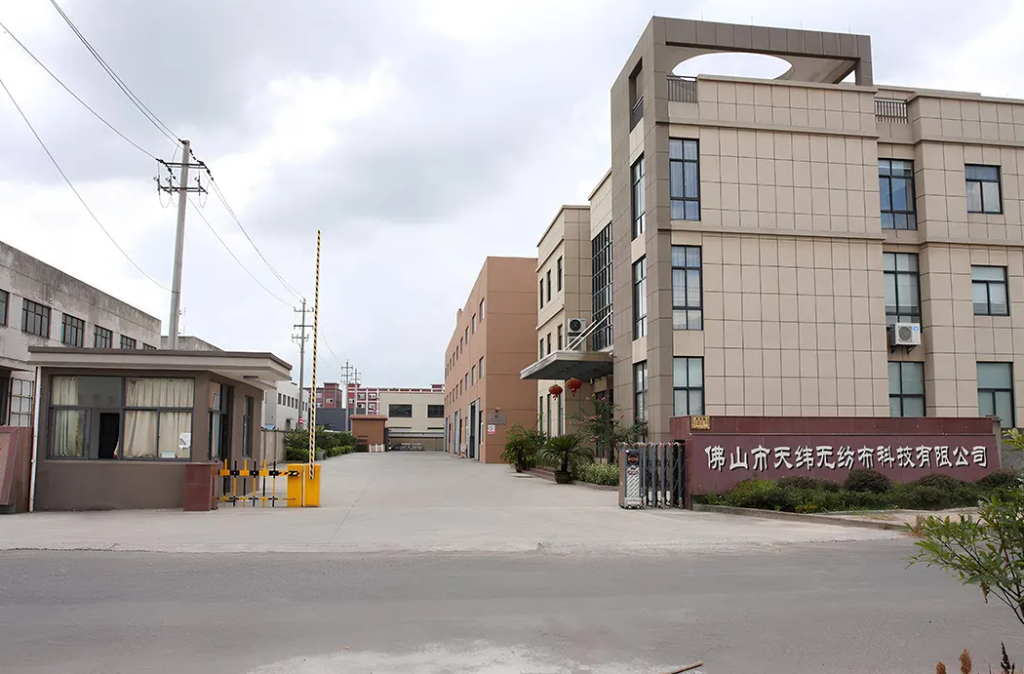
By strictly controlling raw material selection (high-quality PP resin, proper masterbatches) and manufacturing parameters (temperature, line speed, post-treatment), Takewind Nonwoven technology Co.,Ltd. can produce PP spunbond nonwoven that meets rigorous automotive OEM standards.
Do you need to understand the fabric requirements for automotive soundproofing cotton? Contact us to discuss this technical matter and obtain free samples.