
US Mattress E-commerce Sales Growth Trend: Bed-in-a-Box Driving Market Explosion
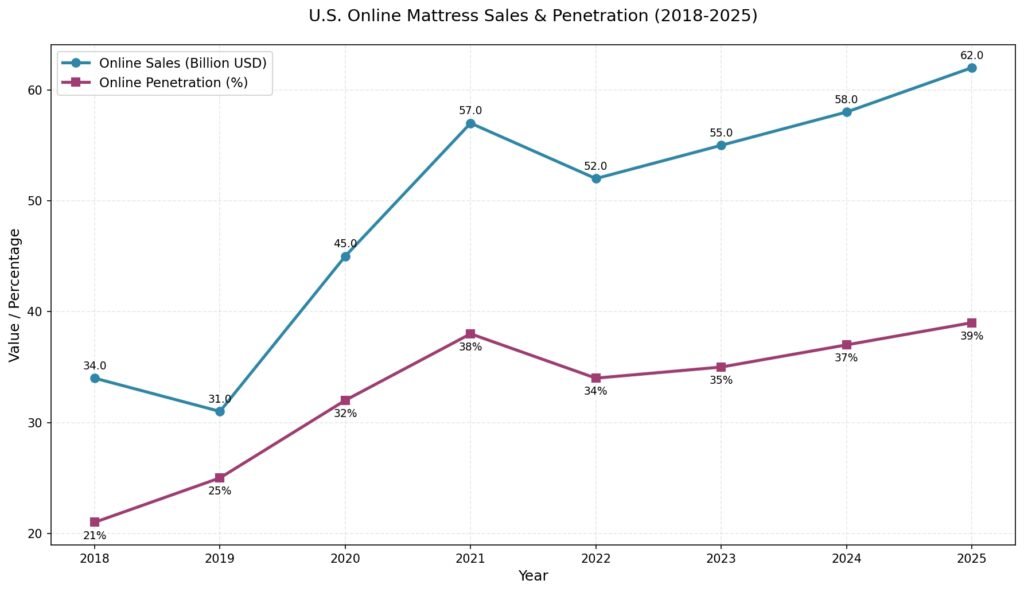
In the past five years, US mattress e-commerce brands such as Casper, Purple, and Nectar have achieved a cumulative growth of over 300%. In 2023, online mattress sales in the US are expected to exceed $7 billion, accounting for more than 30% of the total mattress market. Over 85% of these online mattresses adopt the “rolled compressed + boxed shipping” model—known as bed-in-a-box.
This model significantly reduces warehousing and logistics costs, allowing consumers to enjoy high-quality mattresses at lower prices. The physical core of this model is the key auxiliary material wrapping the internal components of the mattress—nonwoven fabric.
This article explores the application of non-woven fabrics in roll-packed mattresses, as well as the requirements such mattresses impose on the tensile strength, thermal bonding strength, basis weight uniformity, and fold recovery properties of these fabrics.
Six Key Applications of Nonwoven Fabric in Mattresses
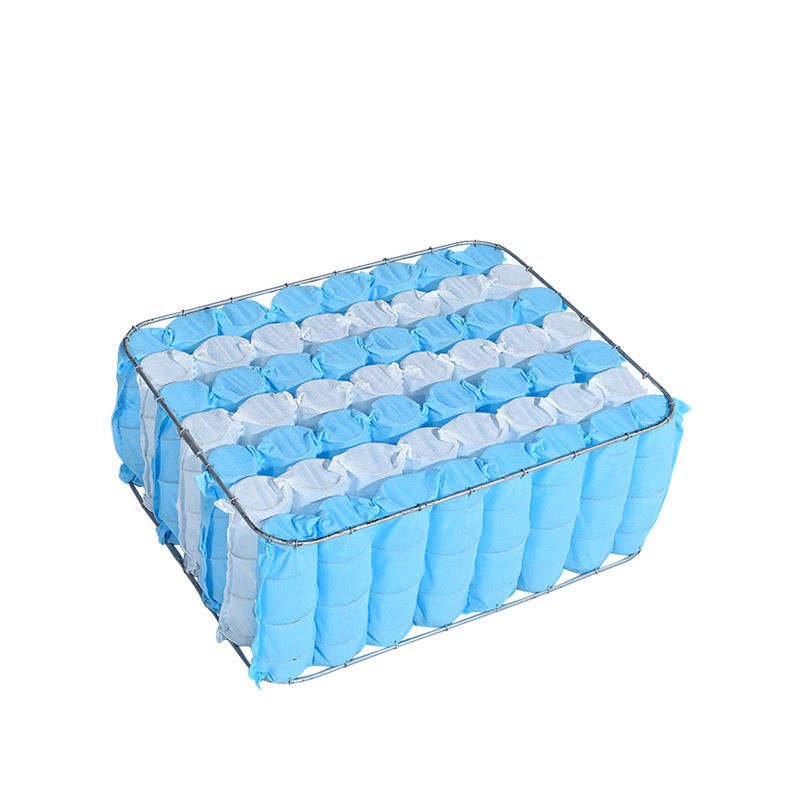
- Wrapping springs: Pocket springs use nonwoven fabric pouches to isolate each spring, reducing metal-on-metal friction noise
- Filling material wrapping fabric: Encases foam, or latex core to prevent material misalignment.
- Mattress surface layer material sewing:The surface layer of the mattress consists of knitted fabric, sponge, or other filling materials; these components require non-woven fabric for stabilization and sewing.
- Fixing spring positions: prevents lateral spring displacement, maintaining even cushion elasticity
- Wear barrier: avoids direct contact and wear between foam and springs
- Withstands compression and rolling pressure– Compression and roll-packing processes require the non-woven fabric to possess high tensile strength, ensuring that the packaging does not tear after being compressed and rolled.
In summary, compressed and roll-packed mattresses impose technical specifications on non-woven fabrics that far exceed those required for traditional flat mattresses; these nonwoven fabrics must maintain full functionality after high-pressure compression, vacuum folding, long-distance shipping, and end-user unboxing.
Performance Requirements of Bed-in-a-Box for Nonwoven Fabric Tensile Strength
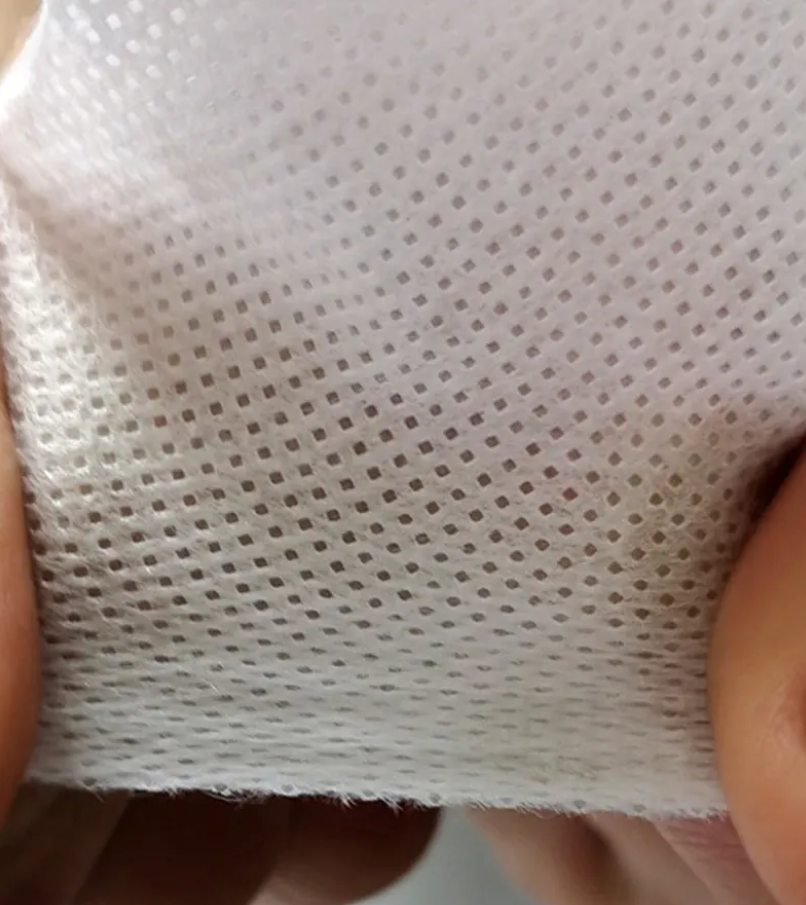
During the production process of roll-packed mattresses, the mattress undergoes intense compression and is rolled into a carton. At this stage, the non-woven fabric encasing the springs—as well as the non-woven fabric incorporated into the mattress cover—is subjected to immense radial tensile stress. If the tensile strength of the non-woven fabric is insufficient, the following issues may arise:
- The non-woven fabric has torn, preventing the mattress’s surface materials from being secured, causing them to come apart.
- The springs have become exposed due to the tearing of the non-woven fabric; the pocketed spring unit is damaged, rendering the mattress unusable.
- The separation between the springs and the foam has failed, significantly reducing the mattress’s lifespan and resulting in audible noises during use.
- Damage to the mattress structure resulted in a customer return.
Recommended specifications (per ASTM D5034):
- Machine direction breaking strength ≥ 120 N
- Cross direction breaking strength ≥ 100 N
- Elongation controlled between 20-35% to avoid plastic deformation
Stringent Requirements for Nonwoven Thermal Bonding Strength in Bed-in-a-Box
Bed-in-a-box mattresses are typically compressed to 1/5 or even 1/8 of their original thickness and vacuum-sealed in PE bags. During compression and recovery, the nonwoven fabric undergoes extreme tensile and tear stress.poor thermal bonding strength will result in seam failure, scrapping the mattress.
Recommended specifications:
- Thermal bonding strength ≥ 35 N/5cm (to prevent spring puncturing the wrap layer)
Nonwoven Fabric Grammage Uniformity:The key to ensuring that the non-woven fabric meets tensile strength standards and is not easily punctured by springs.
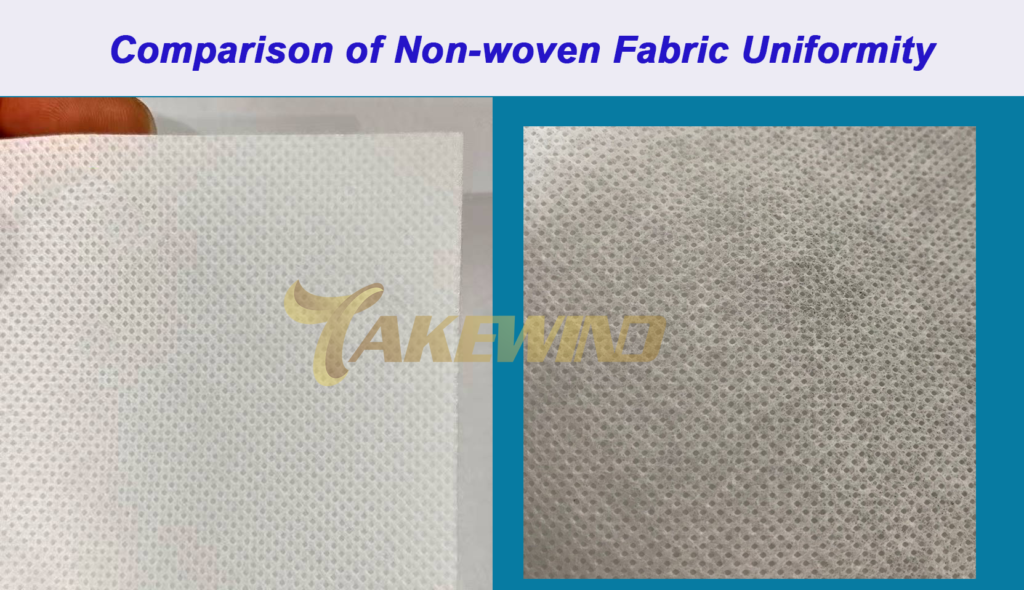
Uneven grammage leads to locally too-thin or too-thick areas. Thin areas tear easily during folding; thick areas cannot be tightly vacuum-compressed. High-standard bed-in-a-box requires nonwoven grammage deviation within ±5%.
Nonwoven Fabric Folding Resilience:Ensuring an Excellent Experience When Unpacking and Using a Rolled Mattress
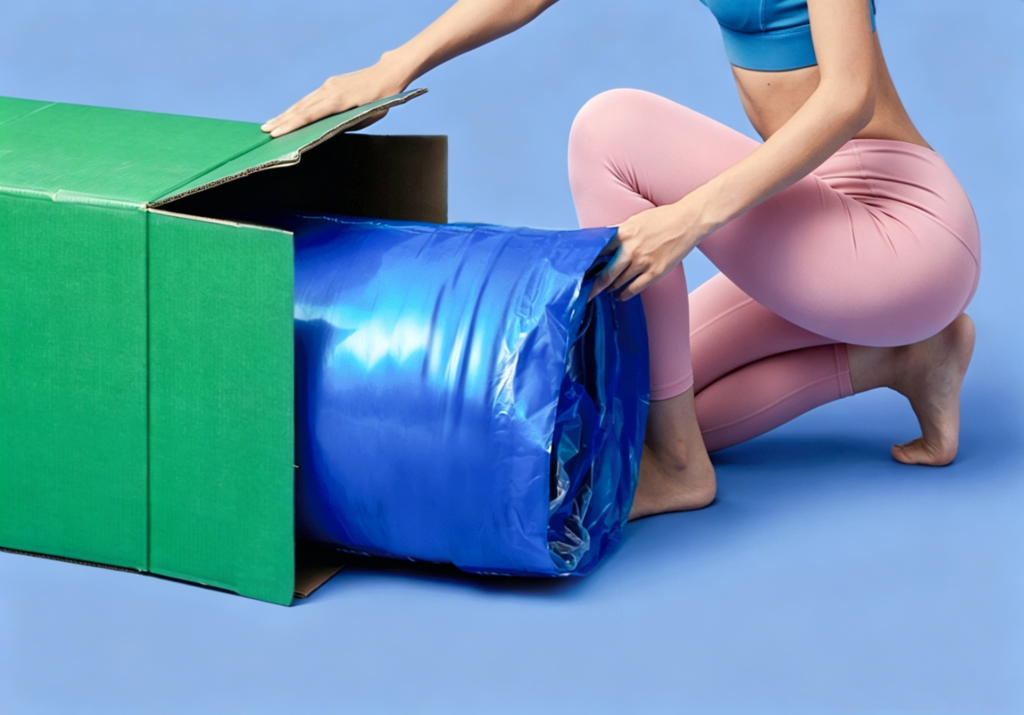
Nonwoven fabric is often Z-folded multiple times inside the mattress. After unboxing, the fabric must quickly recover flat without permanent creases, otherwise it will affect mattress surface flatness and comfort.
Test method: Fold the nonwoven fabric under pressure at room temperature for 48 hours, then release. The recovery angle should be ≥ 85°.
Conclusion: Meeting the High Standards of US E-Commerce Brands Starts with Nonwoven Fabric Quality
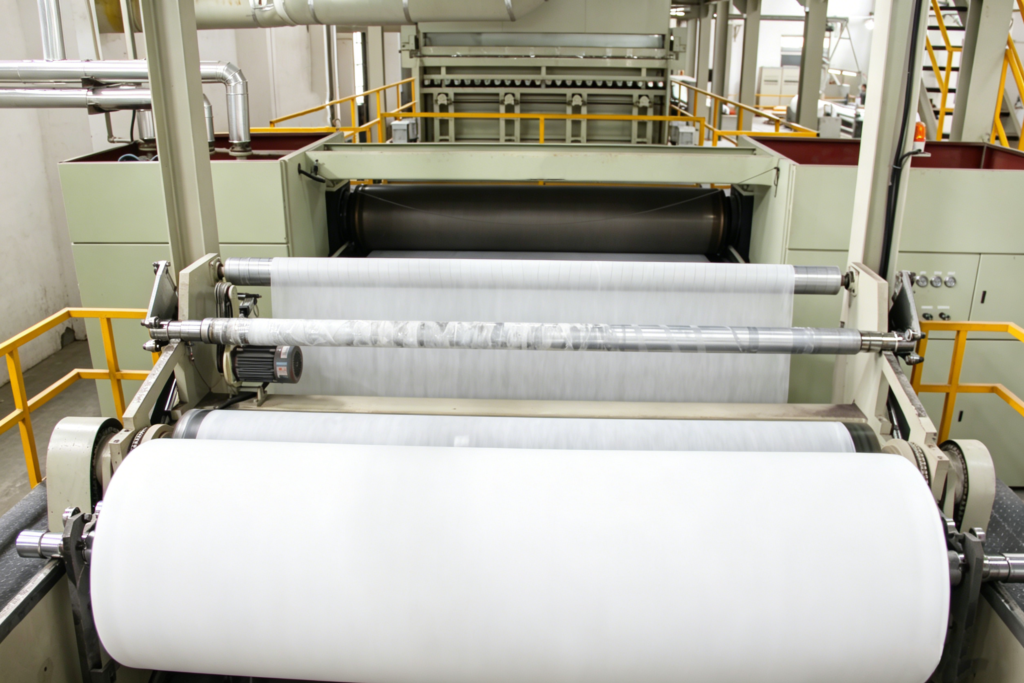
The continued growth of US mattress E-Commerce brands is forcing nonwoven fabric suppliers to re-evaluate their product lines. Nonwoven fabric quality is no longer just a cost variable—it is a key competitive factor that determines whether a bed-in-a-box mattress can be successfully delivered and positively reviewed. From nonwoven fabric tensile strength to nonwoven fabric fold recovery, every specification directly impacts brand return rates and customer satisfaction.
As a manufacturer specializing in high-end nonwoven fabric for bed-in-a-box mattresses, we continuously optimize formulations and processes to provide stable, reliable nonwoven fabric solutions for mattress eCommerce customers in the US and worldwide.