
Europe is raising the bar for furniture imports. With the full enforcement of the Ecodesign for Sustainable Products Regulation (ESPR), sofa manufacturers are forced to reassess their supply chains. For non-woven fabric suppliers, this is no longer an “option” but a necessity under the EU Green Deal. This article will analyze this transformation and explain why recycled non-woven fabric is the new “green passport” for the European market.
EU Green Deal Requirements for Furniture Materials: The Mandatory Shift from Linear to Circular
The EU ESPR, effective July 2024, along with the EU Strategy for Sustainable Textiles, explicitly lists furniture (especially sofas and mattresses) as a priority. The core requirements include three dimensions:
- Digital Product Passport (DPP): Every sofa must have a “digital ID” tracking the origin and recyclability of its materials. Non-woven fabrics used for backing and lining must provide clear data on recycled content.
- Mandatory Recycled Content: The regulation sets minimum thresholds for recycled material content in products.
- Lifecycle Consideration: Design must facilitate disassembly and recycling. If the sofa backing fabric is a multi-layer composite (hard to separate), it will be banned from the market.
What is “Recycled Non Woven Fabric”? Definition and Core Value
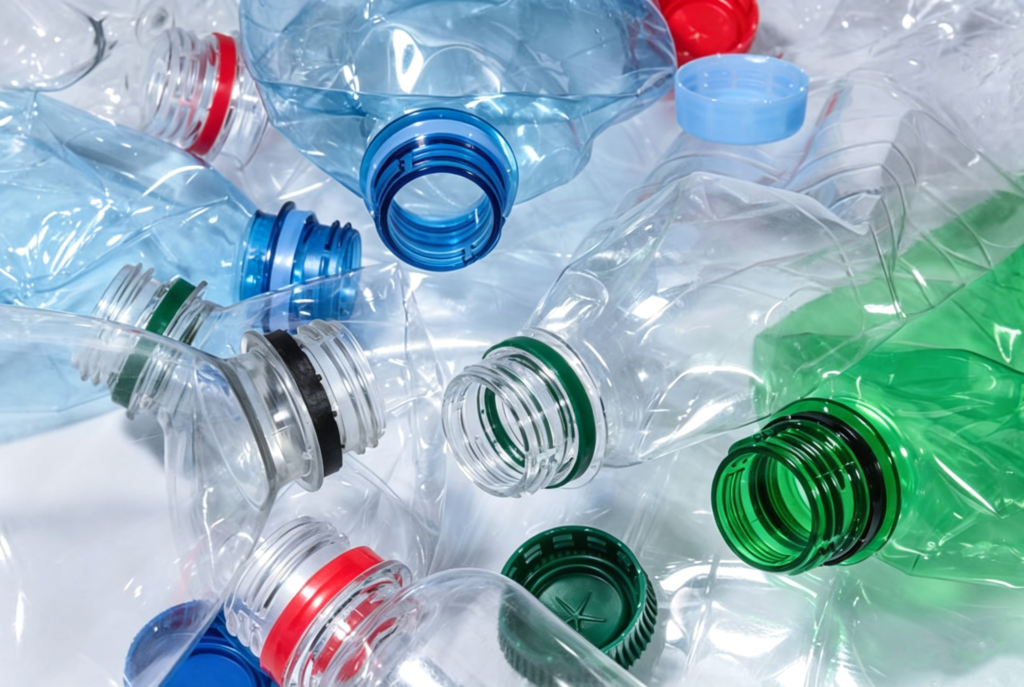
Recycled non-woven fabric does not refer to “biodegradable” products. It means the raw materials come from pre- or post-consumer recycled plastics (such as PET bottles or textile waste), and the product itself is designed to re-enter the recycling stream.
For the sofa supply chain, recycled non-woven fabric (usually rPET or rPP) solves the pain point of traditional spunbond non-woven fabric, which is durable but fails to meet environmental tracking standards. It maintains the required tear resistance, anti-slip, and moisture-proof functions while meeting the ESG disclosure requirements of European brands.
How is Recycled Non Woven Fabric Produced? The Closed Loop from Waste to Fabric
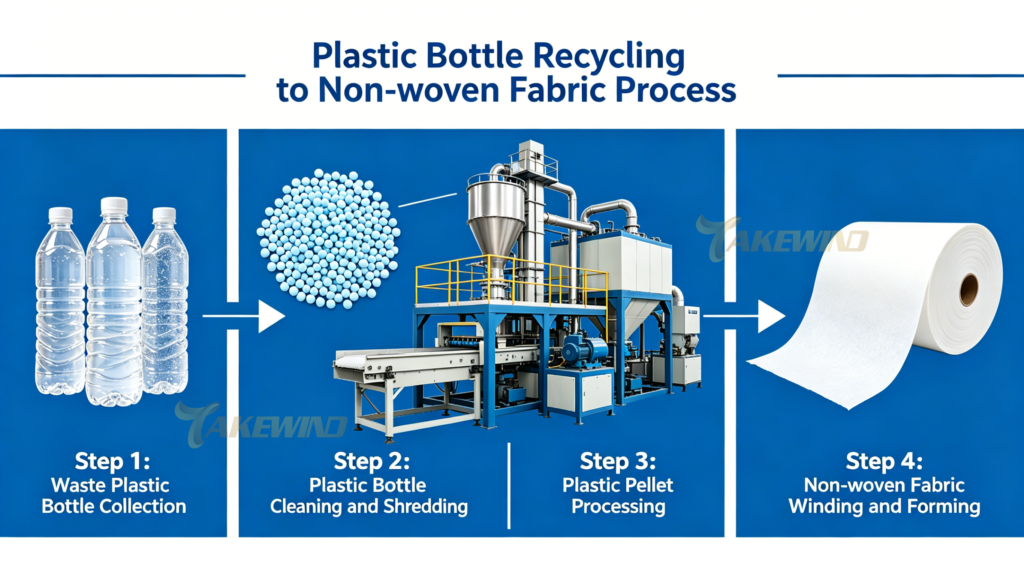
To meet the EU Green Deal supply chain transparency requirements, the production process follows these steps:
- Raw Material Collection & Sorting: Recycle PCR PET bottles or industrial waste.
- Pelletizing: Convert plastic into recycled chips (rPET chips) via physical or chemical methods.
- Spunbonding: Melt and extrude the recycled chips into filaments laid on a web. Key Tech: Purity must ensure breaking strength not lower than virgin material.
- Calendering/Reinforcement: Bonding via hot-rolling to create the final recycled non-woven fabric for sofas.
Why is the Sofa Supply Chain Urgently in Need of Recycled Non Woven Fabric?
Besides regulatory enforcement, there are three main market drivers:
1. Avoiding Greenwashing Risks
Major European buyers (e.g., IKEA) are implementing supply chain audits. If traditional non-woven fabric used by furniture factories cannot provide GRS (Global Recycled Standard) certificates, it is considered non-compliant. Recycled non-woven fabric is the only proof of legal raw material sourcing.
2. Extended Producer Responsibility
New regulations hold manufacturers responsible for the end-of-life phase. Recycled polyester/polypropylene non-woven fabric with a single material is easier to recycle than composites, reducing disposal costs for end-of-life sofas.
3. Tariff & Competitive Advantage
Non-wovens with high recycled content have a carbon footprint advantage under the EU CBAM, helping clients reduce tax costs.
Technical Requirements and Certification for Recycled Non Woven Fabric: Not only a “Claim”
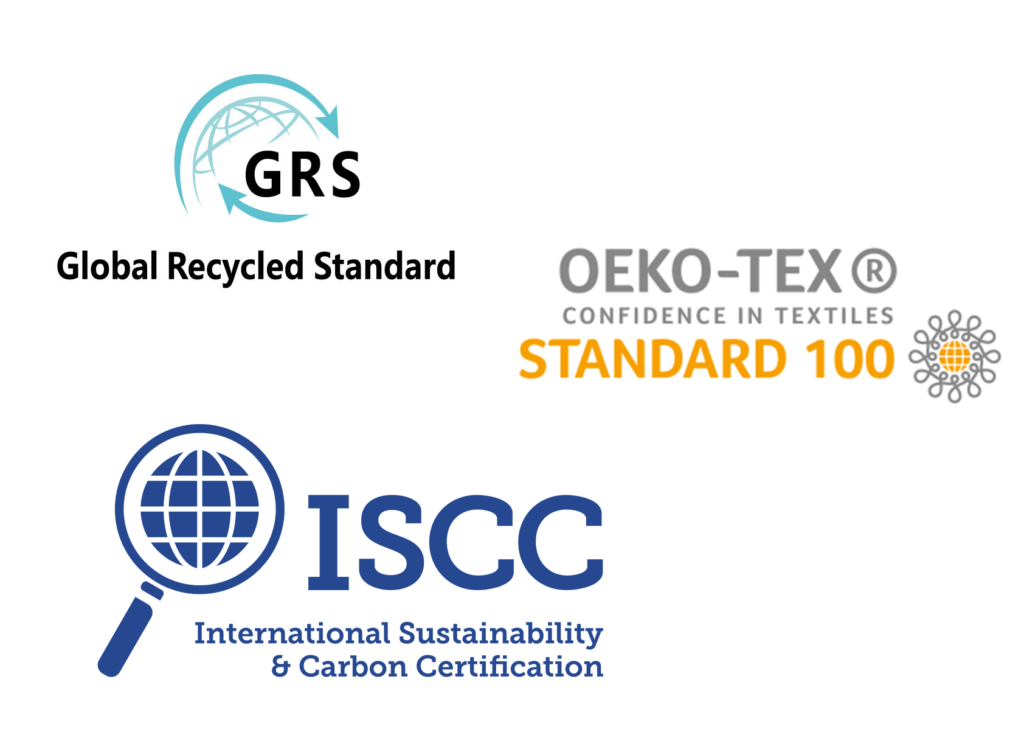
To sell in Europe, you must present hard evidence. Here are the Top 3 certifications buyers focus on:
- GRS (Global Recycled Standard) – Must-have:
- The most recognized standard. It requires at least 20% recycled content and audits social/environmental criteria. Higher rPET ratios (e.g., 50%-100%) are the trend for sofa nonwovens.
- OEKO-TEX® Standard 100 – Safety:
- Sofas are indoor furniture; they must be harmless. This certification ensures the fabric is free from formaldehyde, heavy metals, etc.
- ISCC PLUS – Mass Balance:
- Proves the use of bio-circular raw materials where physical recycling is difficult.
What Should Nonwoven Factories Do to Comply with the EU Green Deal?
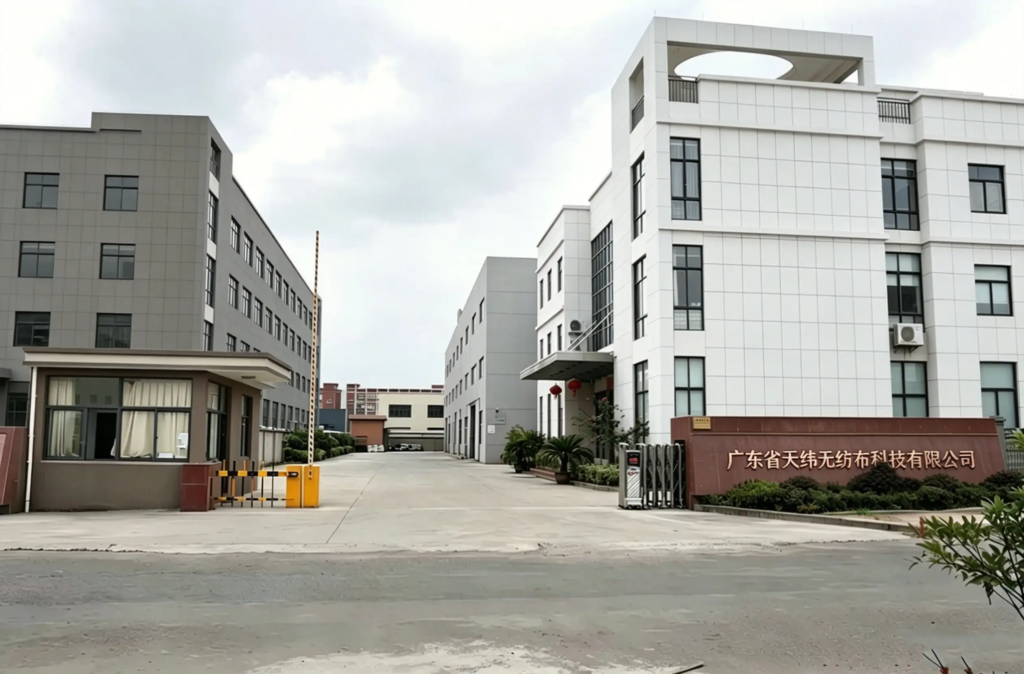
As a Chinese nonwoven fabric manufacturer, now is the window of opportunity. We recommend taking the following four actions:
- Upgrade Lines & Embrace Mono-Materials:
- Abandon hard-to-separate composites (e.g., PET/PP mixed). Promote all-rPET or all-rPP single material design, using thermal bonding instead of chemical adhesives to ensure future recyclability.
- Get GRS & Establish Data Traceability:
- Set up a traceability system from bottle flakes to finished rolls. Prepare TC (Transaction Certificates) to feed data into the Digital Product Passport (DPP).
- Adjust Product Structure:
- While 2026 EU rules ban many single-use plastics, demand for durables will spike. Promote high-strength, high-abrasion rPET non-woven for sofa bottoms and back linings to replace cheap PP.
- Marketing Transparency:
- On your website, don’t just say “Eco-friendly”. Explicitly write “GRS Certified” , “Recycled Content: XX%” , and “OekoTex Passed”. This is what B2B buyers search for.
Conclusion
The EU Green Deal is reshaping the sofa supply chain. For non-woven factories, this is both a challenge and an opportunity. By producing high-quality recycled non-woven fabrics and obtaining the necessary international certifications, you are not just selling fabric; you are providing solutions to alleviate compliance anxiety for European client
Contact us to get a sample of our GRS certified recycled non-woven fabric for sofas.