
INDEX is organized by EDANA (European Disposables and Nonwovens Association) and is the world’s largest and most influential trade fair for the nonwovens industry. Held every three years in Geneva, Switzerland, since its first edition in 1984, it has become a global technology benchmark and business cooperation platform for the nonwovens sector.
This article outlines the 2026 INDEX Global Exhibition, showcasing the developmental trends and technological pathways of nonwovens.
1. INDEX26 Global Exhibition Overview: The Bellwether of the Nonwovens Industry
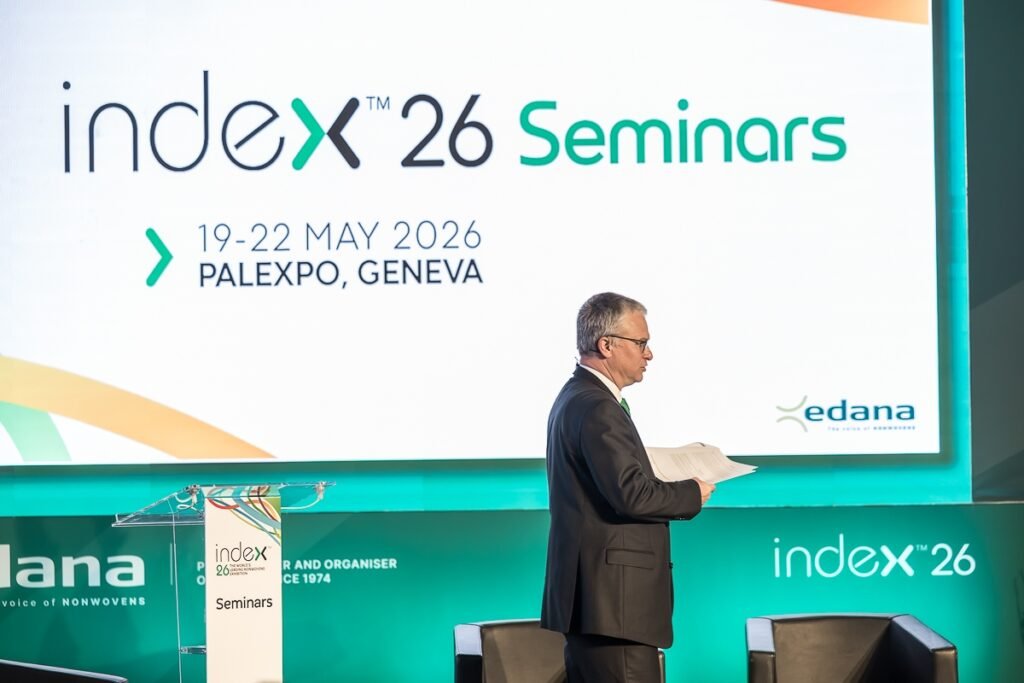
In May 19, 2026, the world’s largest nonwovens exhibition, INDEX26, concluded in Geneva, Switzerland. Held every three years as a top industry event, INDEX26 attracted over 700 exhibitors from more than 100 countries and over 13,000 professional visitors.
The strongest signal from this exhibition: sustainable nonwovens have moved from concept to full implementation, becoming the absolute mainstream choice in hygiene, medical, wiping, packaging, and other application fields.
2. Why Have Sustainable Nonwovens Become the Absolute Mainstream?
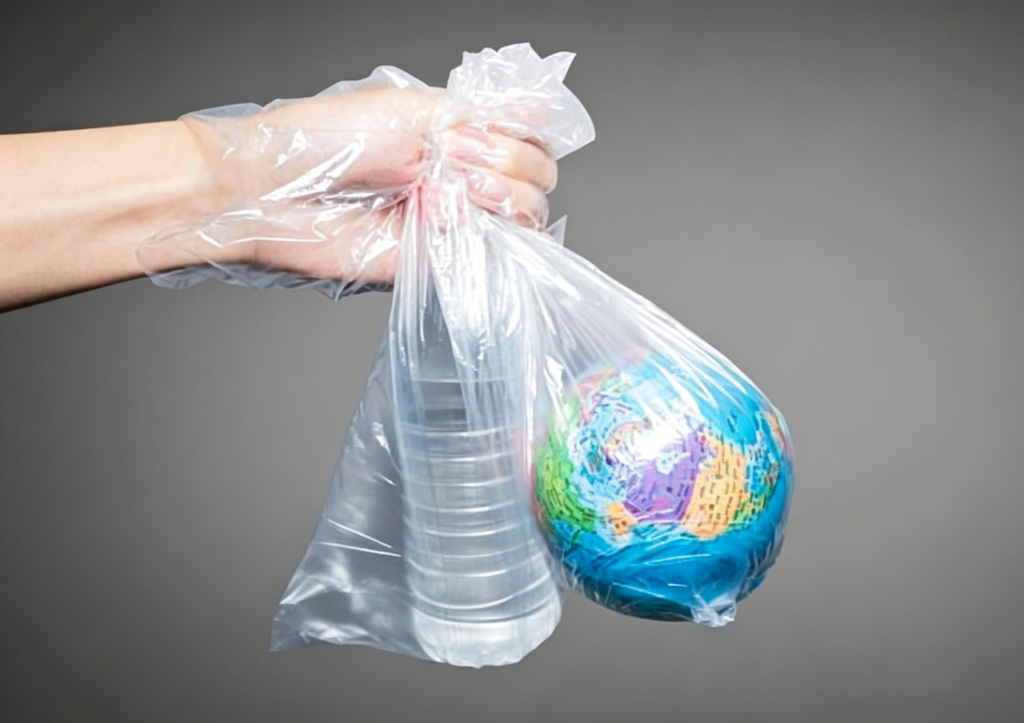
From the exhibits and forum discussions at INDEX26, three major drivers have pushed sustainable nonwovens to center stage:
First: Regulatory pressure – The EU Single-Use Plastics Directive and plastic restrictions in various countries are forcing brands to shift toward non-plastic, biodegradable nonwoven solutions.
Second: Brand commitments – Procter & Gamble, Unilever, Johnson & Johnson and other giants have announced 2030 reusable or compostable packaging goals.
Third: Consumer awareness – Over 70% of European and American consumers say they are willing to pay a premium for eco-friendly nonwoven products.
3. Leading Sustainable Nonwovens Technology Directions at INDEX26
At INDEX26, we observed that sustainable nonwovens are concentrated in the following four technology paths:
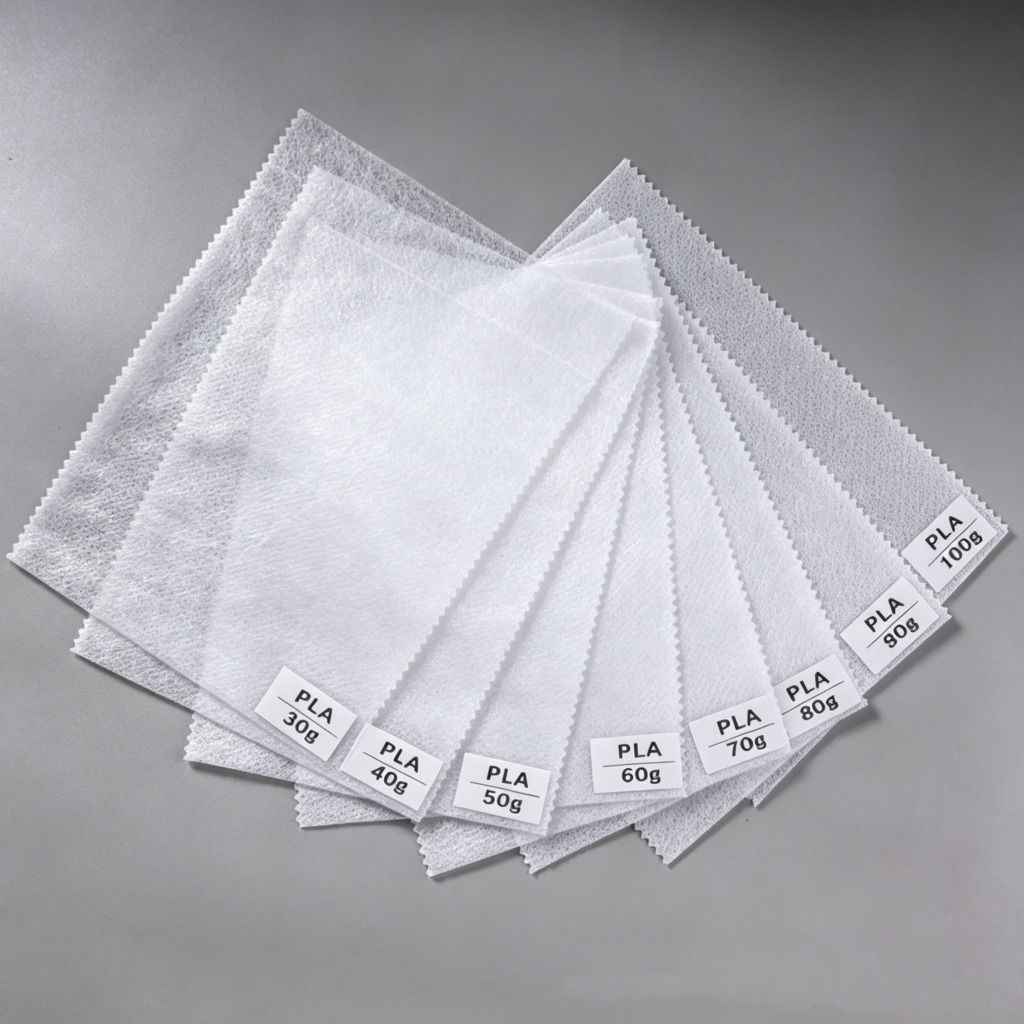
- Bio-based nonwovens (PLA, PHA, cellulose fibers)
- Compostable / biodegradable nonwovens
- Recycled fiber nonwovens (rPET, recycled cotton)
- Carbon-reduced production processes (low-energy spunlace, chemical-free bonding)
4. As a Chinese Nonwovens Factory, Our Sustainable Practices and Future Plans
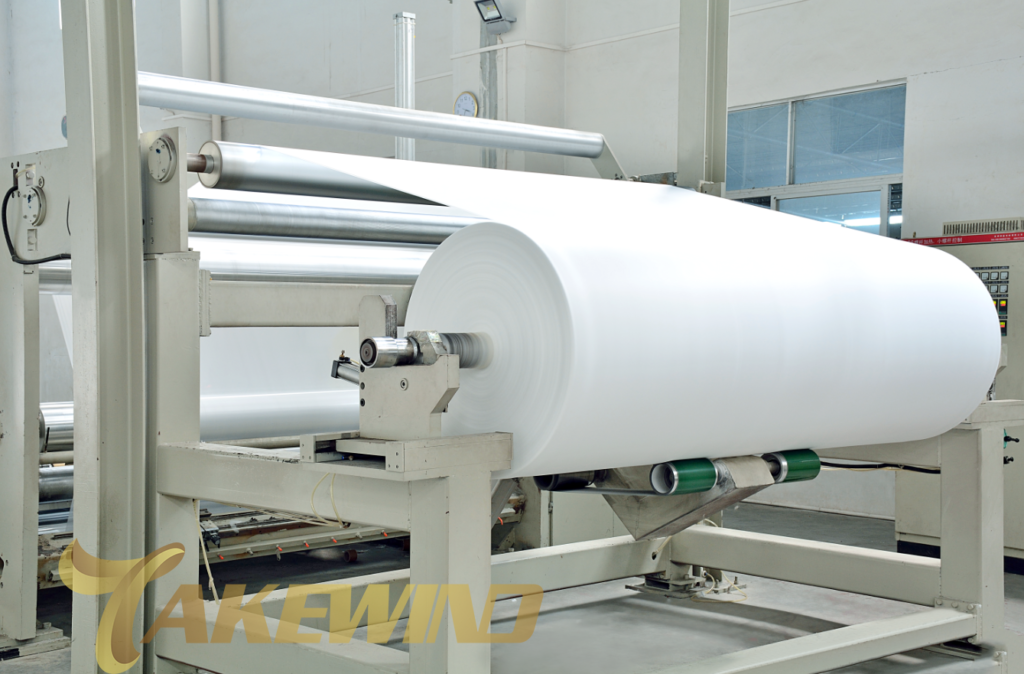
- Continuously developing a wider range of functional spunbond nonwovens to meet the diverse technical requirements of various fields.
- Accelerating Investment in Equipment and Production for Biodegradable PLA Non-woven Fabrics
- Increase capital investment to reduce energy consumption in the production of spunbond non-woven fabrics.
- Utilizing recyclable and eco-friendly materials to produce non-woven fabrics.
5. The Future of Sustainable Nonwovens: From Mainstream to Standard
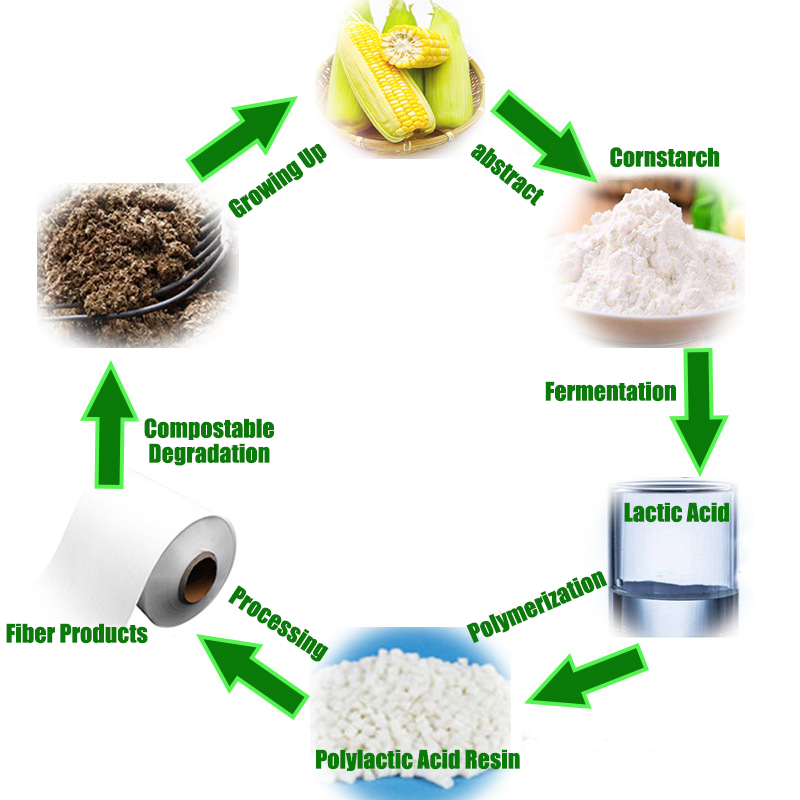
INDEX26 clearly tells us: sustainable nonwovens are no longer a “highlight” of niche markets but a default requirement for all nonwoven applications.
For brands, buyers, and end users, when choosing nonwoven suppliers in the future, priority will be given to: material renewability, product degradability, and production carbon emissions.
Our factory is ready to embrace this trend and continue to provide customers with compliant, high-performance, and environmentally friendly nonwoven solutions.
Are you interested in sustainable nonwovens? We welcome you to contact us to discuss this further.