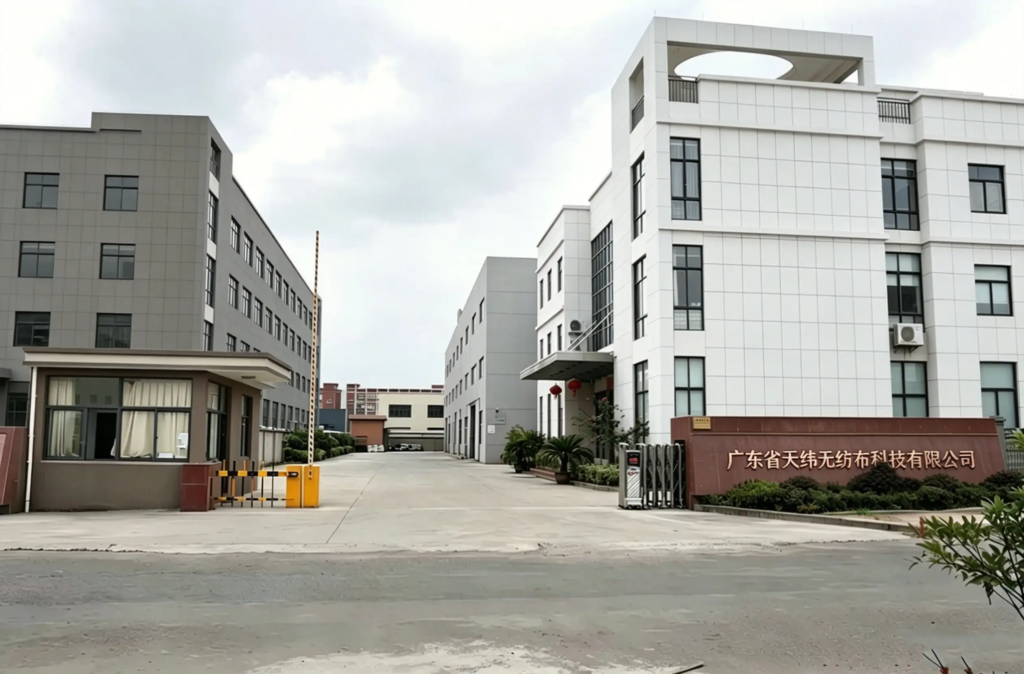
This article analyzes why Brazil is becoming a key market for non-woven fabrics in 2026, supported by the latest data and industry trends.
Introduction
As the largest economy in South America, Brazil is experiencing a significant surge in non-woven fabric demand across multiple industries. From healthcare to automotive, agriculture to construction, the country offers a growing and diversified market for non-woven products.
If you are a non-woven fabric manufacturer looking for new export opportunities in 2026, Brazil should be at the top of your list.

1. Robust Market Growth
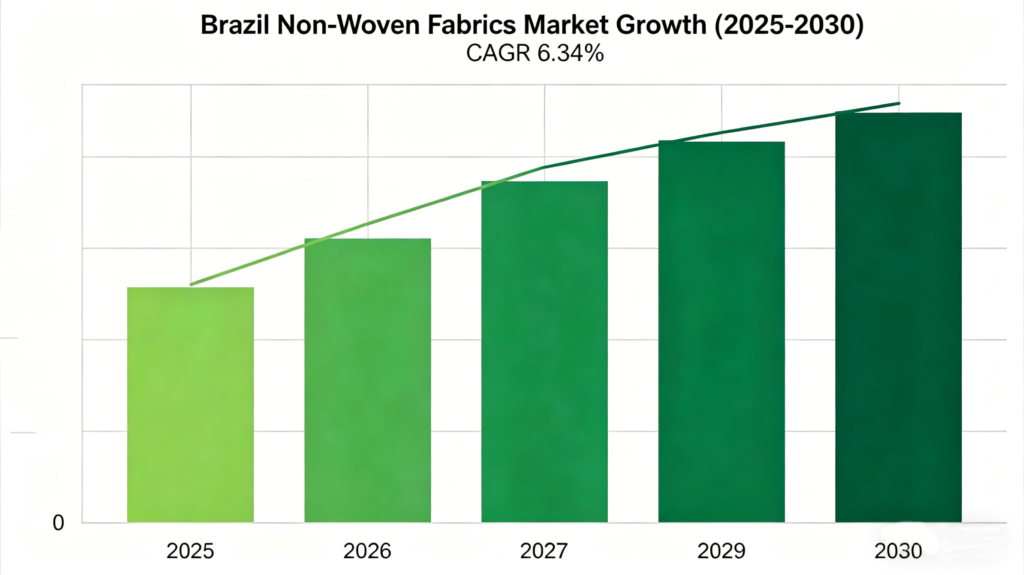
Brazil’s nonwoven fabrics market is expected to grow at a CAGR of more than 6.34% from 2025 to 2030 . Some forecasts suggest an even higher growth rate of 8.97% in 2025 alone, demonstrating strong momentum
The broader textile manufacturing market in Brazil is forecasted to grow by USD 9.97 billion during 2025-2030, with non-woven textiles specifically identified as a key product segment .
2. Booming Import Demand
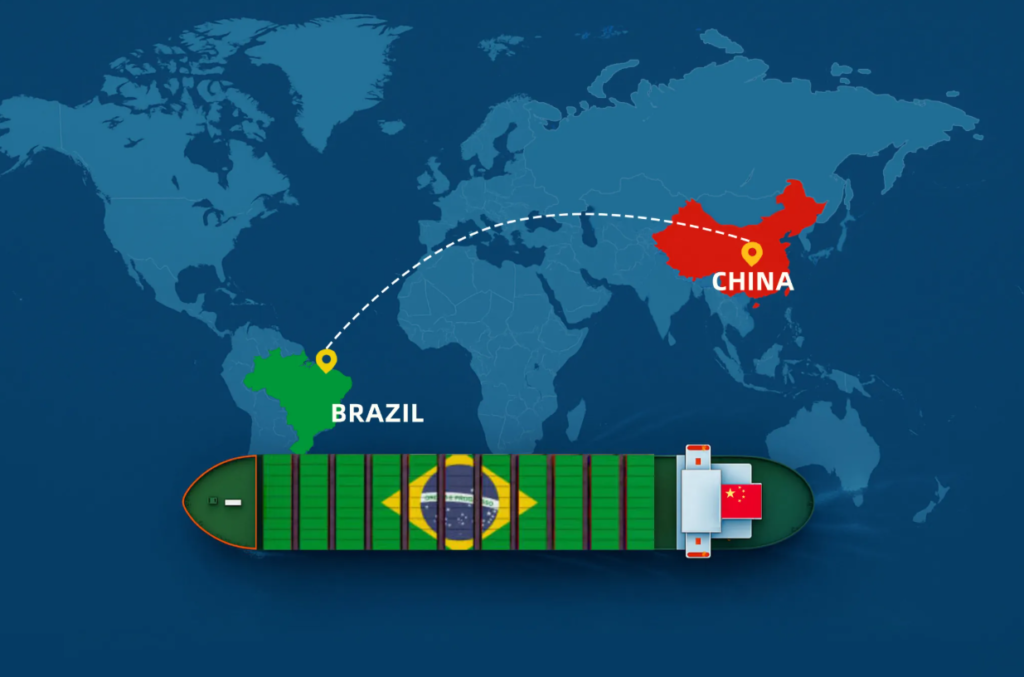
Recent trade data confirms Brazil’s growing appetite for non-woven textiles. In March 2026 alone, Brazil imported 19.13 million kilograms of textiles classified under “Manufacture of Other Textiles” (which includes non-woven fabrics)
Notably, January 2026 recorded an all-time high of 21.78 million kilograms, indicating a clear upward trend. This represents a substantial increase from the historical monthly average of 9.64 million kilograms
For Chinese non-woven fabric manufacturers, this presents a significant opportunity. Brazil’s top importing partners include China, and the country’s away-from-home tissues market has shown an impressive 13.04% CAGR from 2020 to 2024
| Month/Year | Import Volume (kg) | Note |
|---|---|---|
| Jan 2026 | 21,777,543 | Record High |
| Feb 2026 | 18,244,607 | Steady |
| Mar 2026 | 19,134,591 | Strong |
Source: CEIC Data, Special Secretariat for Foreign Trade and International Affairs
3. Diverse End-Use Industries
3.1 Healthcare Sector
Brazil’s healthcare sector is one of the largest consumers of nonwoven fabrics, particularly for PPE (Personal Protective Equipment), surgical masks, gowns, and other medical products . The Brazilian government’s focus on improving healthcare infrastructure continues to drive adoption.
Nonwoven fabrics are highly valued in healthcare for their ability to provide barriers against bacteria, viruses, and other contaminants, making them essential for maintaining hygiene standards .
3.2 Automotive Industry
Brazil’s automotive industry is increasingly adopting nonwoven fabrics for seat covers, soundproofing, insulation, and under-the-hood components . As the demand for lightweight materials grows, nonwoven fabrics help reduce vehicle weight and improve fuel efficiency.
3.3 Construction & Geotextiles
As Brazil continues to invest in infrastructure projects, the demand for geotextiles, roofing materials, and insulation products made from nonwoven fabrics is expected to grow substantially .
3.4 Hygiene & Disposable Products
The hygiene sector remains a key driver, with nonwoven fabrics being essential for diapers, sanitary napkins, wipes, and other disposable products. Brazil’s wipes market, in particular, is seeing increased demand for nonwoven-based products .
4. Sustainability Trends
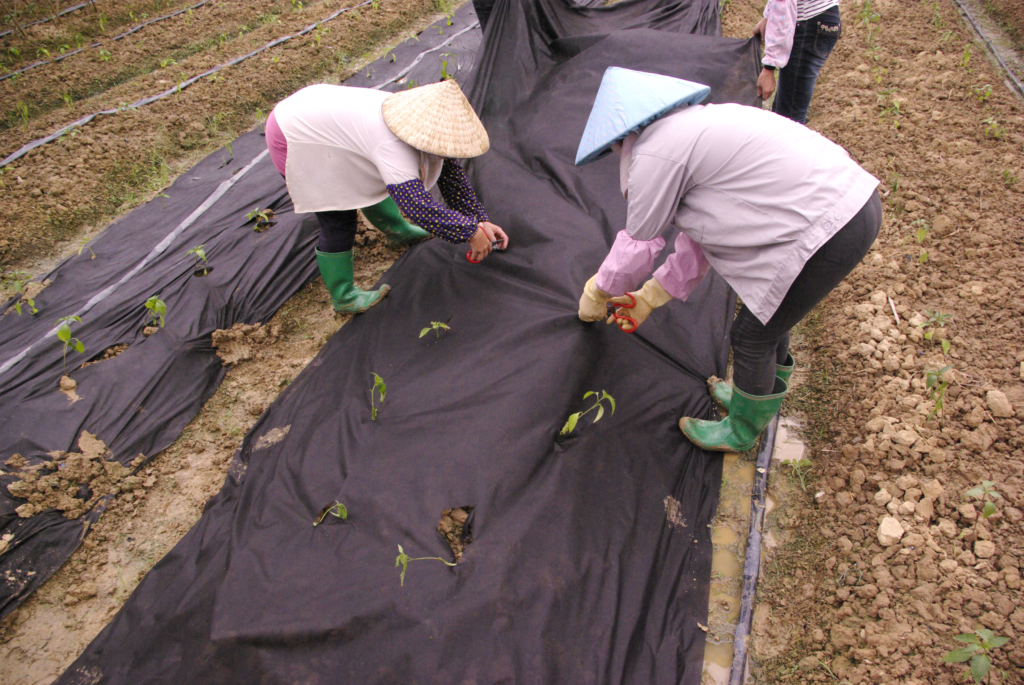
One of the most notable trends in Brazil’s nonwoven market is the growing preference for eco-friendly products . Brazilian consumers and manufacturers are increasingly demanding nonwoven fabrics made from biodegradable, recyclable, or renewable materials.
For Chinese manufacturers, this represents an opportunity to develop sustainable product lines specifically for the Brazilian market.
5. Supply Chain Realignment
Global supply chain disruptions and the trend toward supply chain diversification are working in Brazil’s favor. The country is benefiting from nearshoring initiatives and strategic realignment of supply chains . Brazil’s well-established manufacturing base makes it an attractive destination for textile trade.
For Chinese exporters, this means:
- Direct exports remain viable – Brazil’s import demand is strong and growing
- Partnership opportunities – Collaboration with Brazilian manufacturers and nonwoven fabric distributors
- Price competitiveness – Chinese nonwovens offer excellent value
Conclusion
Brazil is undeniably becoming a key market for non-woven fabrics in 2026. With strong growth projections (6.34%+ CAGR), record-high import volumes (21.78 million kg in January 2026), diversified end-use industries, and a clear shift toward sustainable products, the market presents substantial opportunities for Chinese non-woven fabric manufacturers.
For non-woven fabric manufacturers ready to expand globally, Brazil should not be overlooked. The time to enter this market is now.
About Us
As a professional non-woven fabric manufacturer in China, we are ready to support the Brazilian market with high-quality spunbond, meltblown, and other nonwoven products. Contact us for samples and technical support.